The Greatest Soul on Earth
A film by Lee Doig
Produced by Sam Kelly & Lee Doig
Let it Rain Films
A natural phenomenon resists explanation
Each winter, along South Africa’s east coast, a vast, shifting body of life moves north. Known as the sardine run, this annual migration sees billions of sardines travel in dense shoals from the colder waters of the Eastern Cape towards KwaZulu-Natal. As they move, they draw in one of the largest gatherings of predators on earth – gannets diving from above, dolphins herding from below, with sharks, whales and game fish joining the surge.
Often described as the ocean’s equivalent of the Serengeti, it’s a natural phenomenon that has fascinated scientists for decades. Yet, despite years of study, aspects of the migration remain unresolved – including why it occurs with such intensity along this particular stretch of coastline, and why its timing and scale can vary so dramatically from year to year.
For Kommetjie-based filmmaker Lee Doig, who grew up on the South Coast, the sardine run has long been part of his lived experience.
“It was always there,” he says. “You could feel the energy of it.”
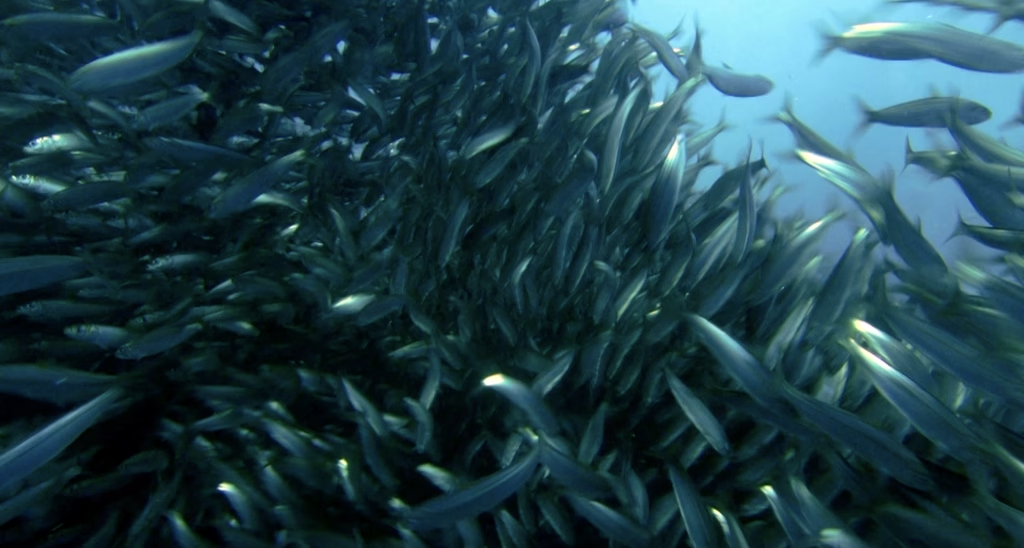
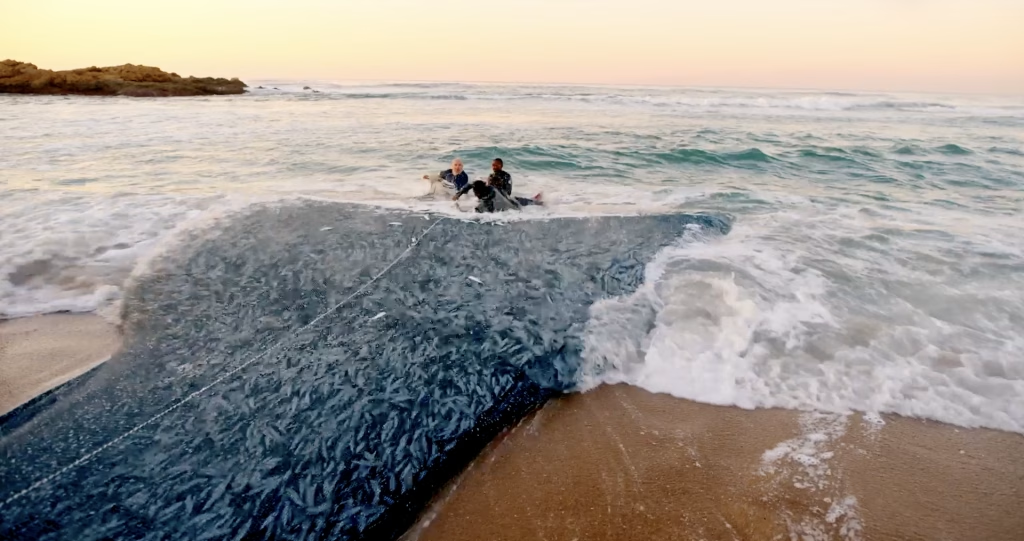
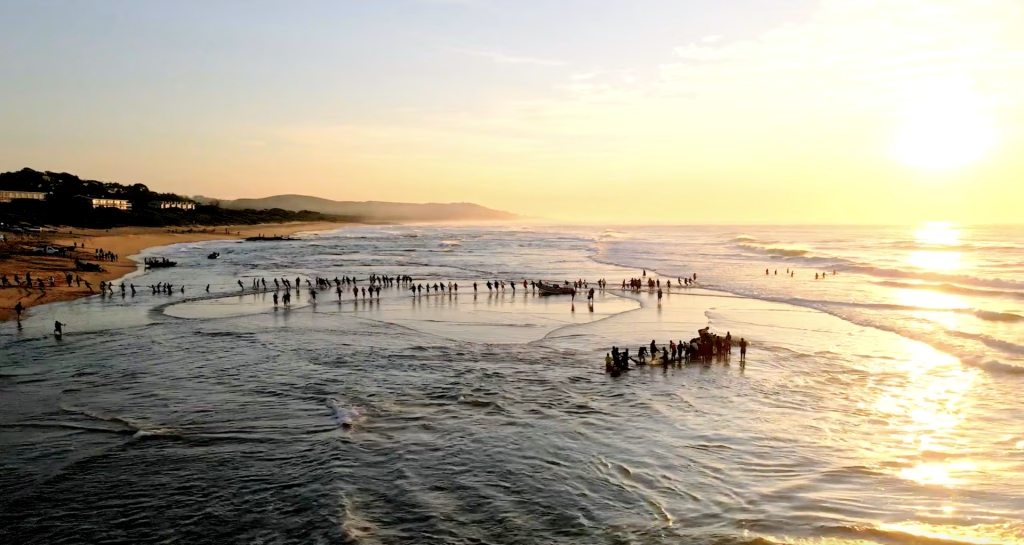
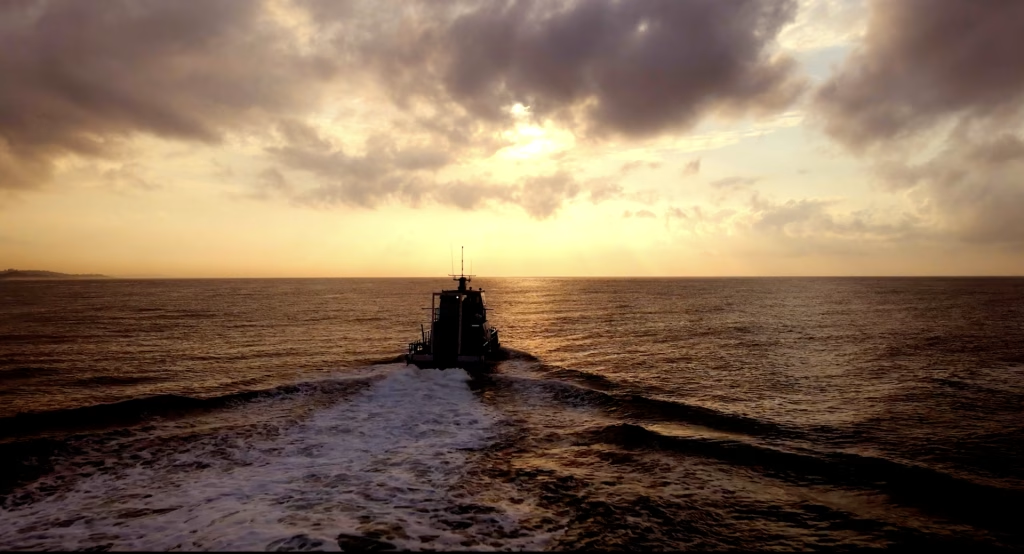
But every theory or attempt at scientific explanation for the sardine run has fallen short.
And yet, for all its scale, the way the story has been told over time has remained unchanged. Over the years, documentaries have captured the natural event in increasing technical detail – higher resolution, better access, more dramatic footage – but the narrative itself has remained static.
“The footage got better, but the story never did,” says Doig.
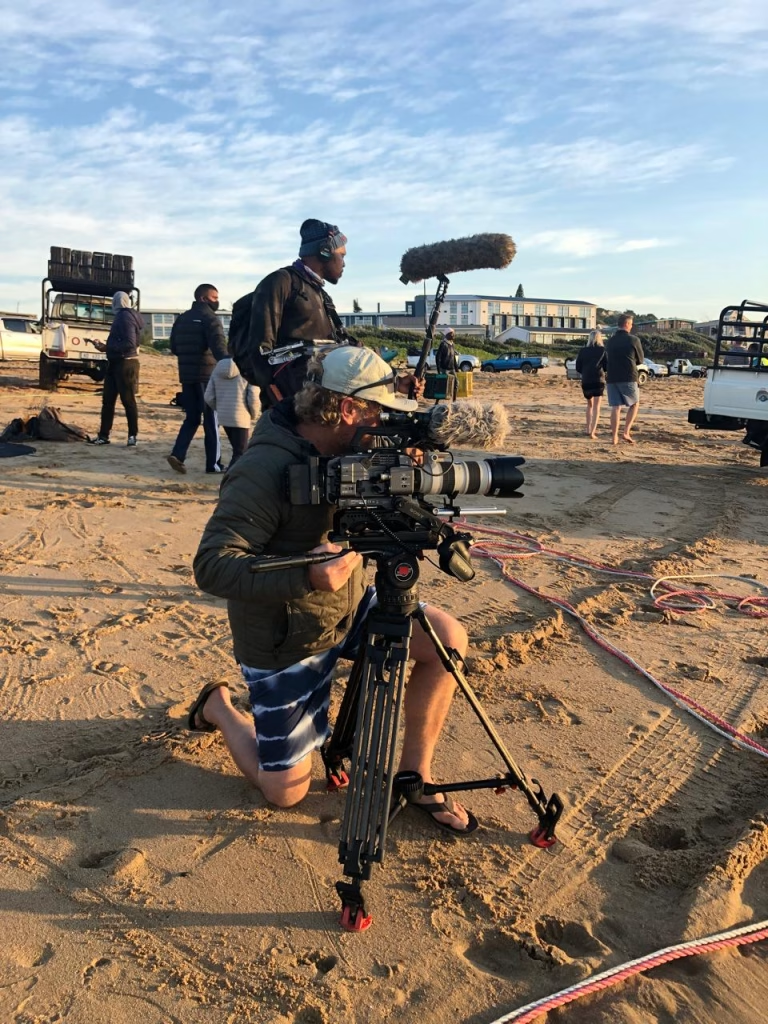
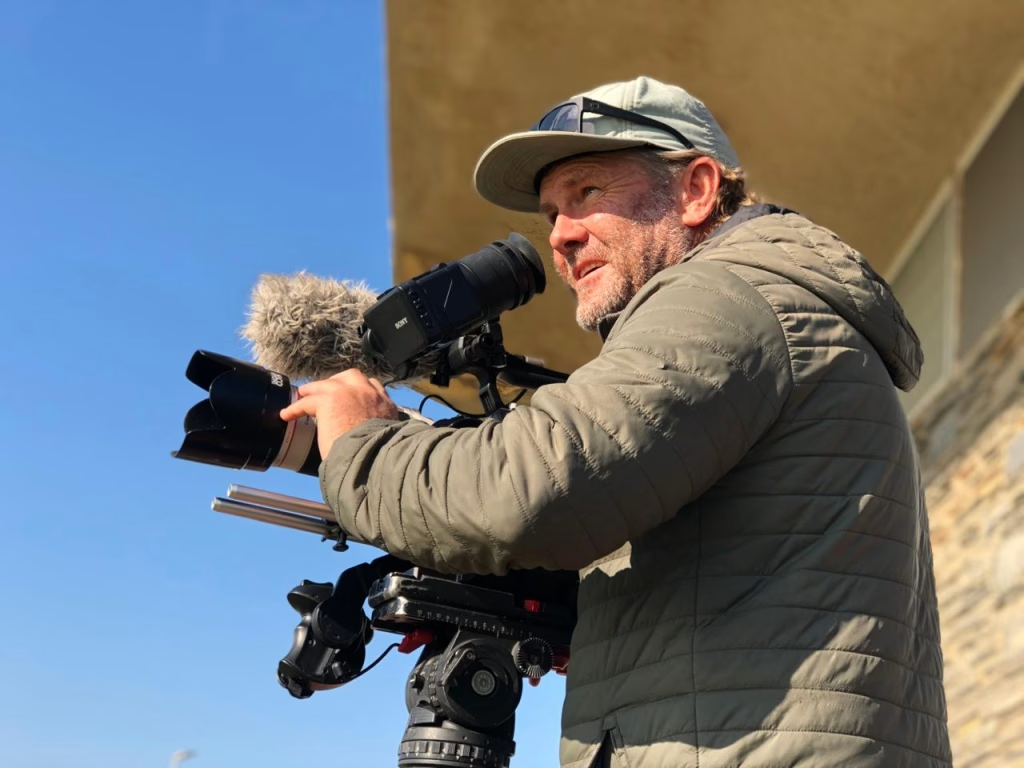
It was this gap that first drew Lee in. Convinced there had to be more – something rooted in place, culture or memory – he began searching for a different way into the story. More than a decade ago, that search took him to the Transkei, where he spoke with elders and traditional healers, hoping to uncover a mythology connected to the migration.
He left without answers.
“I realised later I was asking the wrong questions,” he says.
From the Transkei back to Kommetjie: scientist Kerry Sink offers a shift in perspective
The project might have ended there, if not for a conversation much closer to home. During COVID time, Doig was introduced to marine scientist Kerry Sink, also based in Kommetjie. Meeting at local café Good Riddance reframed the direction of the film for him.
“The film wouldn’t have happened without Kerry Sink,” says Doig. “She’s a world-renowned scientist and a huge advocate for protecting marine spaces.”
Sink pointed Lee towards other research on ancestral belief systems in coastal communities, particularly among Xhosa and Zulu traditions, where the ocean is understood as a place of origin and return – for the souls of human beings; a place where ancestors reside. This conversation opened up a broader field of inquiry for the film and its narrative – one that could sit alongside scientific understanding, rather than replace it.
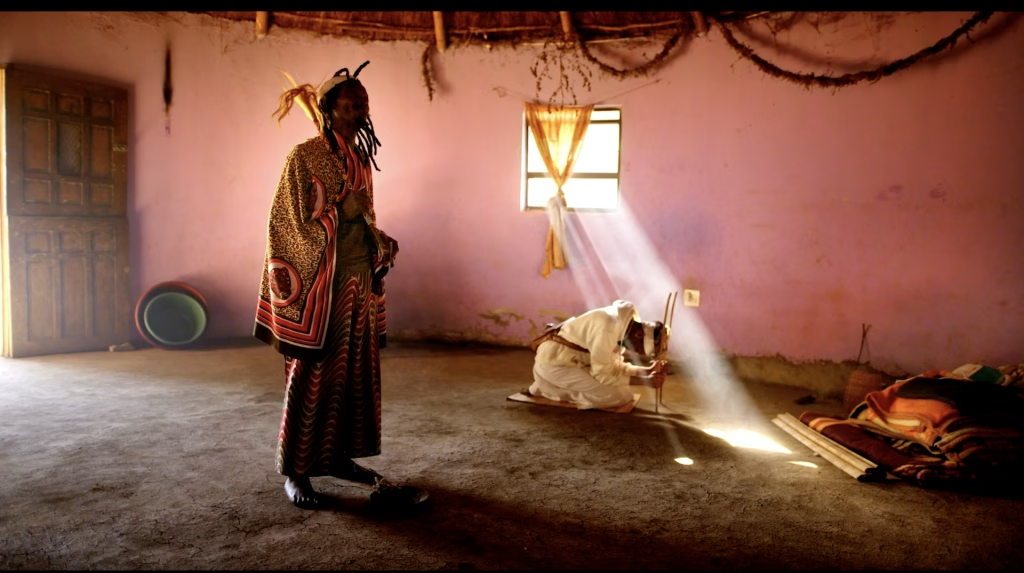
Two souls, one journey: the connection between science and indigenous knowledge
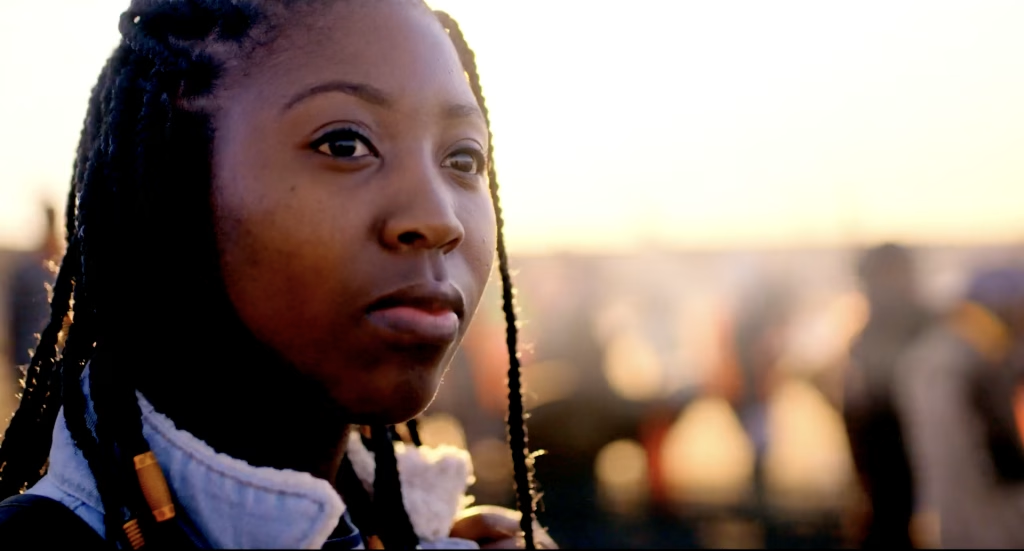
Through Sink, Doig was connected with two marine scientists, Loyiso AV Dunga and Sinothando “Sno” Silungile Shibe, whose perspectives became integral to the project.
Our two protagonists, Loyiso and Sno, are both deeply rooted in their cultural beliefs, entering the film to explore the relationship between scientific understanding and indigenous knowledge systems.
Their presence grounds the film in contemporary marine science, even as it opens space for other ways of knowing.
From there, the film began to take shape. Titled The Greatest Soul on Earth, and produced by Let it Rain Films, it moves beyond the conventions of natural history storytelling. The sardine run remains central, but it becomes a thread through a larger set of questions – about interconnected systems, cultural knowledge and the ways in which people relate to the ocean, including the growing pressure human activity places on marine environments.
At times, the process was uncertain, and new roads would reach dead ends.
“There were moments I didn’t know what I was doing,” Lee says.
And then, occasionally, something would shift.
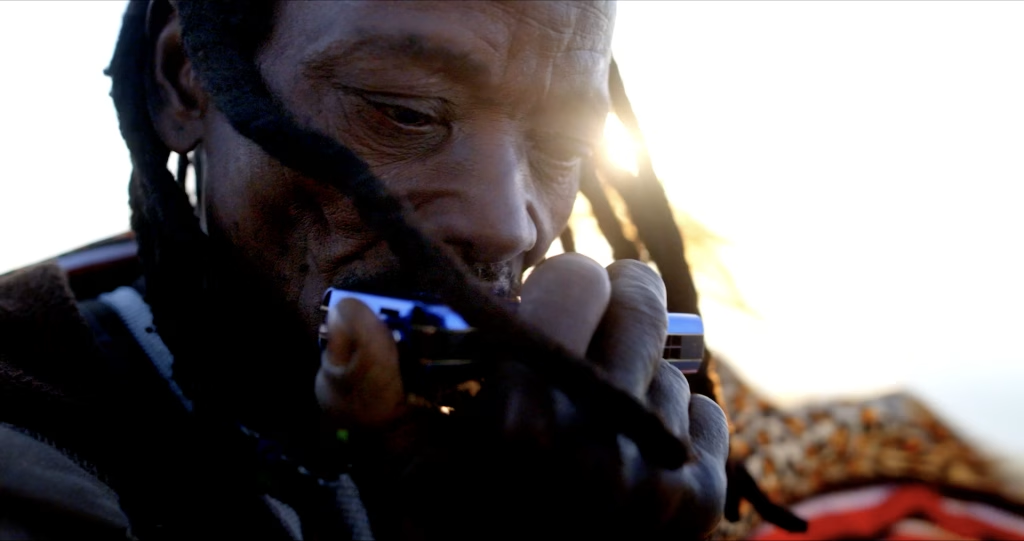
“This is the most beautiful thing I’ve ever shot in my life.” – Lee Doig
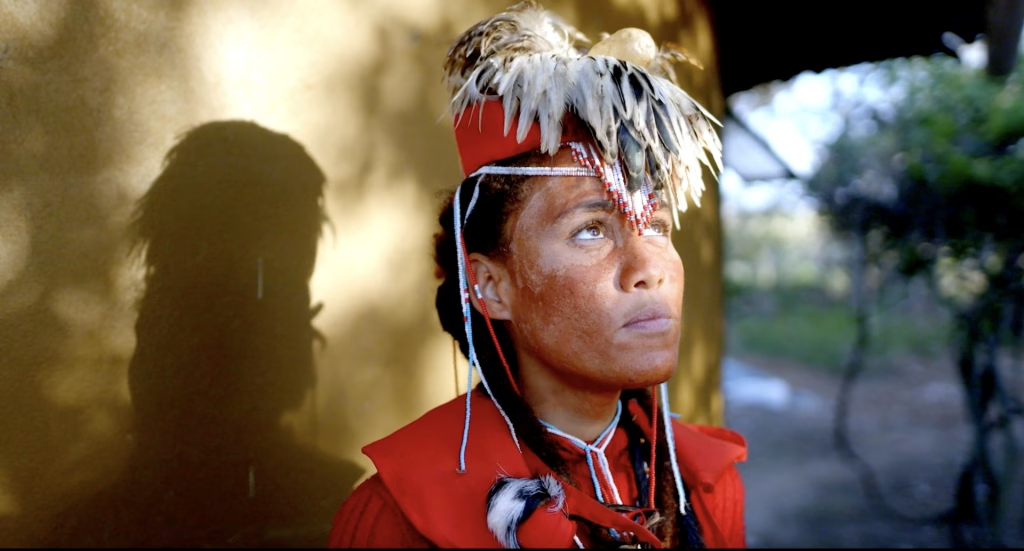
On a remote hillside near Port St Johns, filming at sunrise, Doig found himself in one of those moments. As a local healer dressed in Swazi cloth began to play a mouth organ, the still morning air changed. The wind rising suddenly around them began to howl.
“Hair standing on end, I thought to myself, ‘This is the most beautiful thing I’ve ever shot in my life,’ Lee recalls.
This moment leads us to the film’s final scene – one that closes with the same sense of enquiry that runs through the story.
Scenes like this give the film its texture – grounded in lived experience, but not easily explained. Rather than forcing a single narrative, the film allows different perspectives to sit alongside one another, moving between observation and interpretation, on a phenomenon that has no easy scientific explanation.
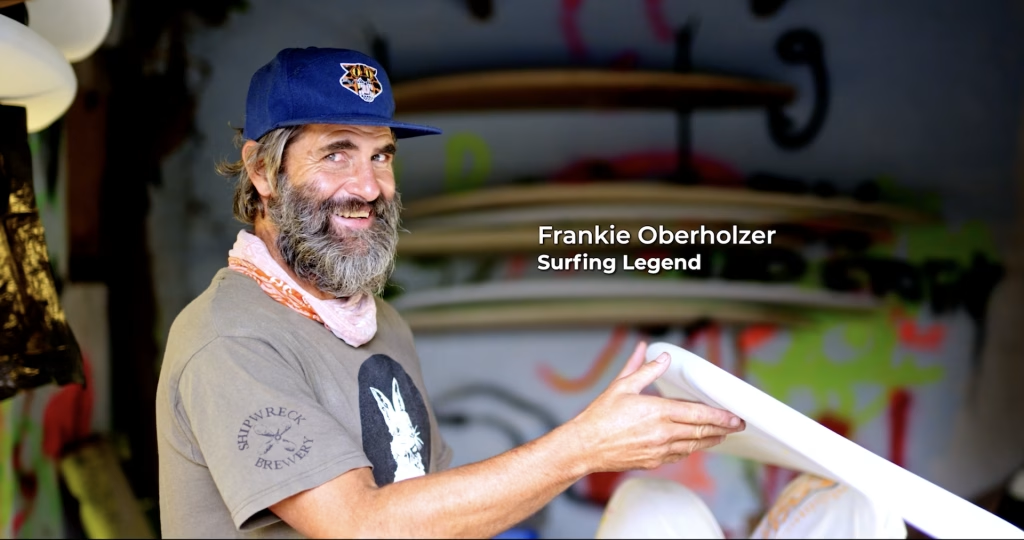
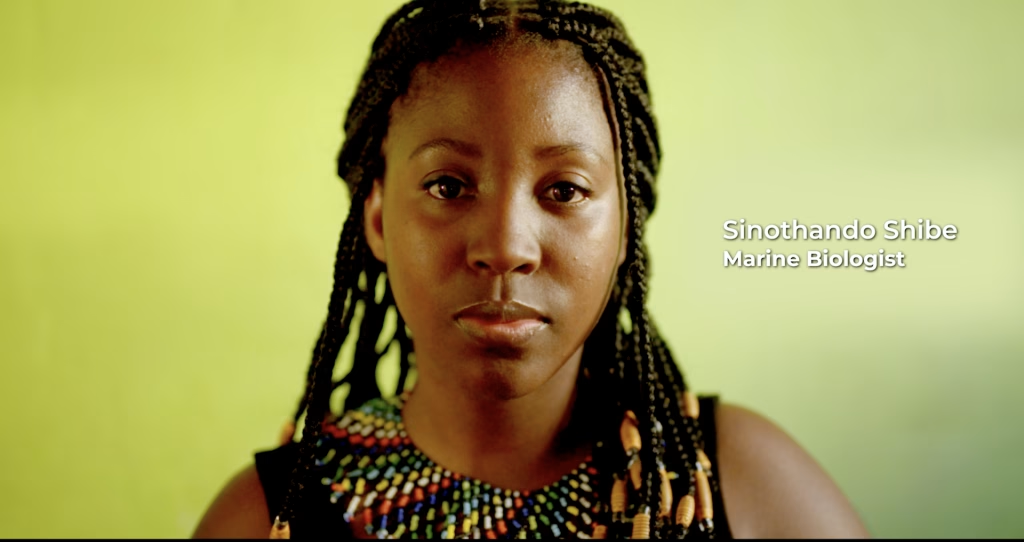
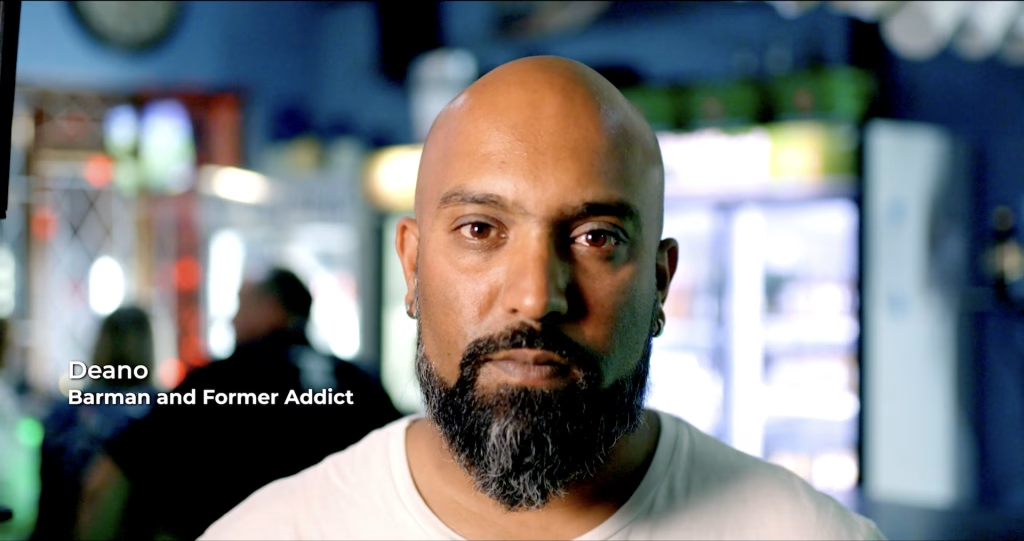
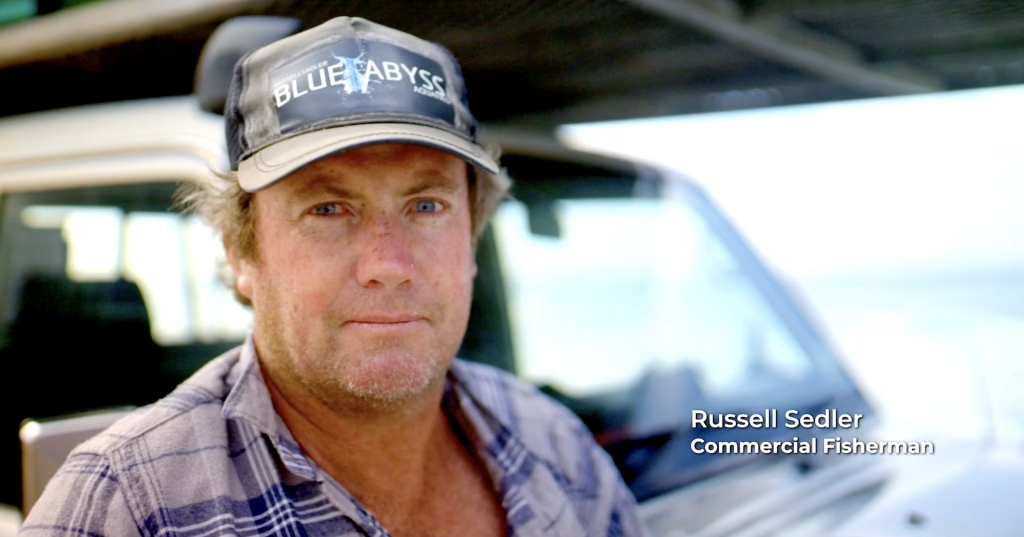
The idea of where science and spirit meet runs as a golden thread through the work – not as a fixed answer, but as an ongoing line of enquiry. In this space, the sardine run becomes less something to decode, and more a way of paying attention to the questions that arise through it.
As Russell Sedler says in the film:
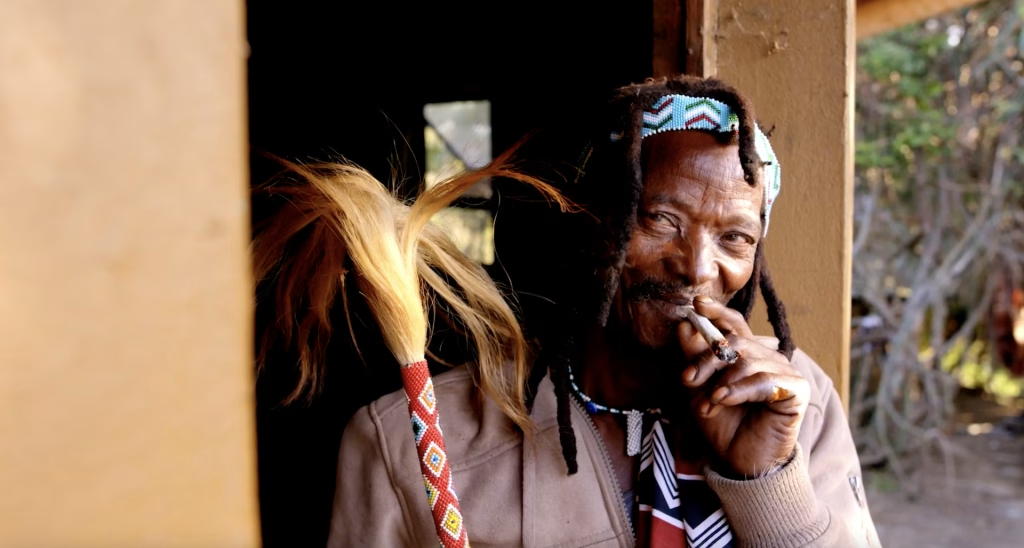
“Ancestral belief goes back a millennium. Scientific study goes back sixty years. You choose what works for you.”
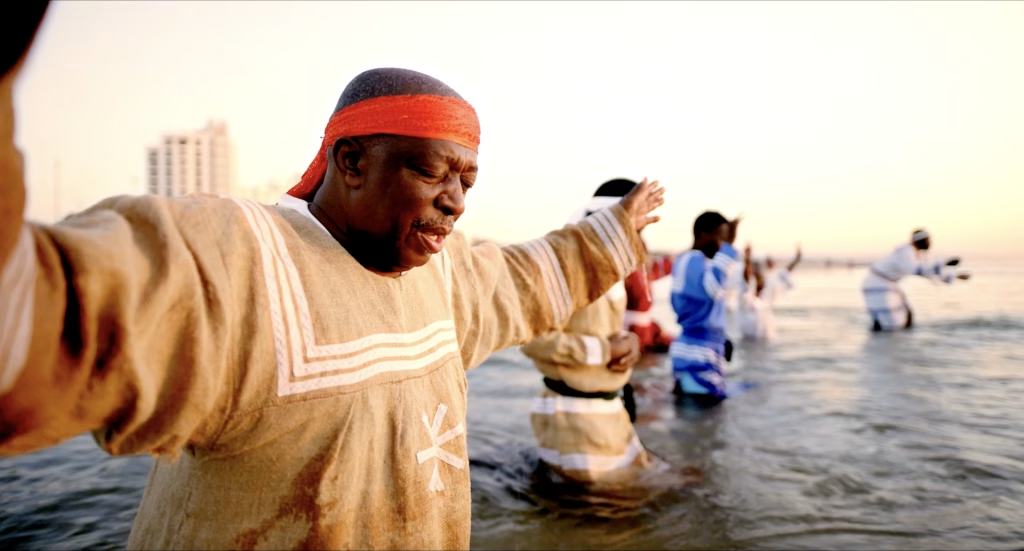
The next chapter
Set to enter the international festival circuit, with submissions planned for Toronto, Venice and Cannes, the film also has a local trajectory in mind, with screenings expected in Kommetjie and Cape Town.
For Doig, the project marks a shift too.
After years working in commercial film and advertising, he describes a move towards more personal, long-form storytelling – work that unfolds more slowly, with less certainty, and with a clearer intention to make films that have a meaningful impact.
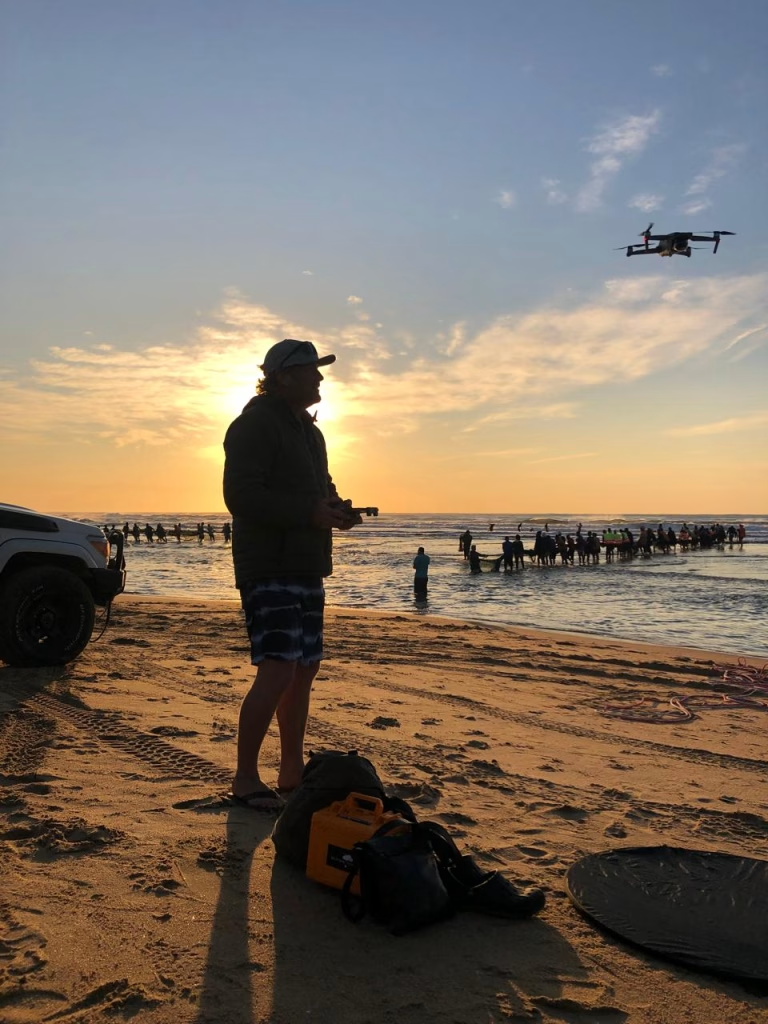
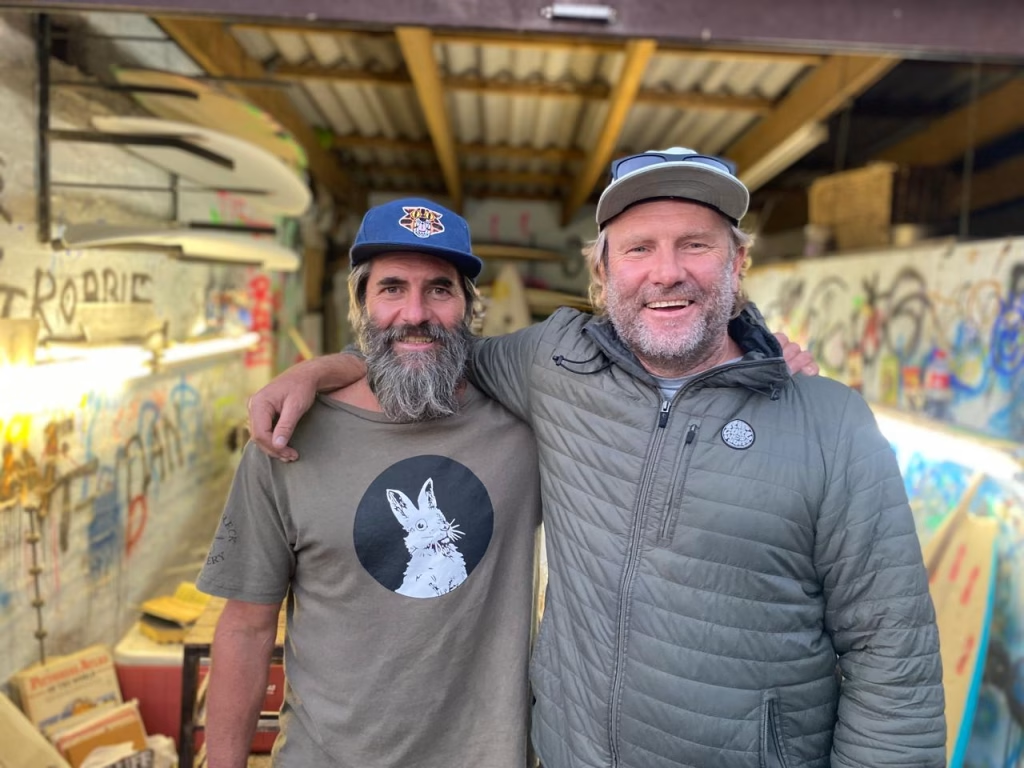
“The film has changed my life. Having access to this knowledge… It’s been such a journey for me,” he says.
What began as a search for explanation has become something more reflective – a process of following an idea, losing it, and finding it again in a different and unexpected form.
Like the migration itself, the story moves in cycles – shaped by forces both visible and unseen, drawing together elements that don’t always sit neatly, but remain deeply connected.
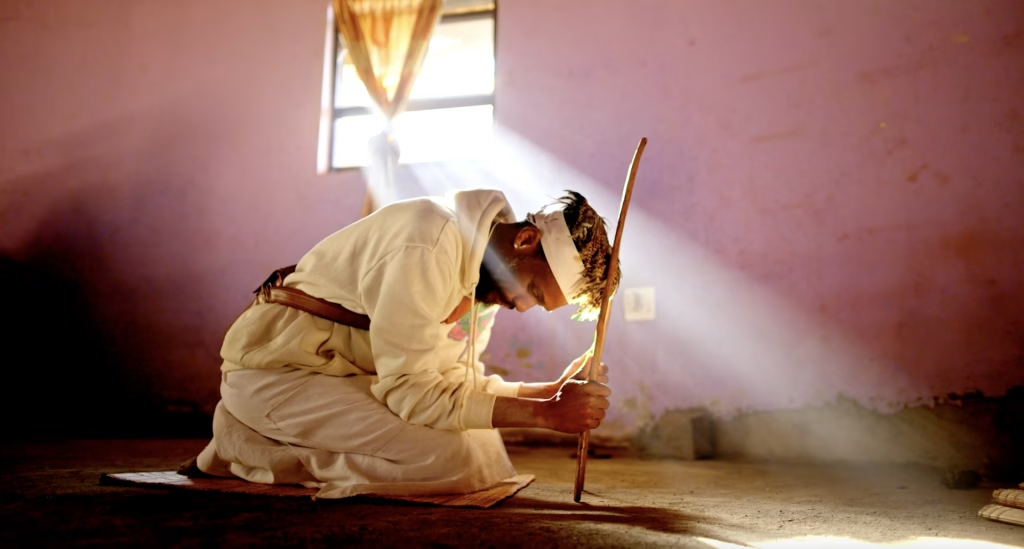
Let it Rain Films is a production company made up of Sam Kelly and Lee Doig, founded in Cape Town in 2005. Follow their work @letitrainfilms and the journey of the film coming soon to @thegreatestsoulonearth on all channels.
About the film
Every winter, billions of sardines embark on a perilous journey along South Africa’s Wild Coast. To science, this is an “ecological trap” – a mass migration driven by ancient genetics that often leads into predator-rich, warm waters. To the indigenous people of South Africa, it is a sacred inheritance, a seasonal pulse of life that connects the community to the rhythm of the ancestors and the sea. Two young marine scientists go on a journey to explore the sardine run and interrogate their cultural beliefs alongside their scientific knowledge. The film is directed by Lee Doig and produced by Sam Kelly, both of Let it Rain Films.