As the summer sun warms the Cape, our local snake population becomes more active, well into autumn. While snakes can be intimidating to encounter, they play a crucial role in the ecosystem by controlling rodent populations and maintaining biodiversity. Understanding which snakes are dangerous and which are harmless can help us coexist safely with these fascinating reptiles.
But most importantly – when you see a snake, do not kill it! Snakes are critical to our ecosystem. Keep your distance, take a photo (if possible) and call a snake handler.
Read on for more on how to discern venomous snakes from common, harmless lookalikes.
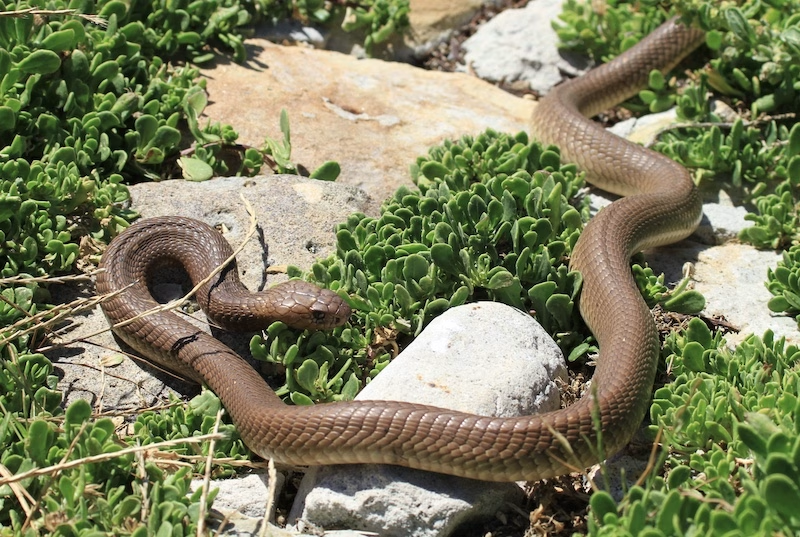
The Three Most Dangerous Snakes in Kommetjie
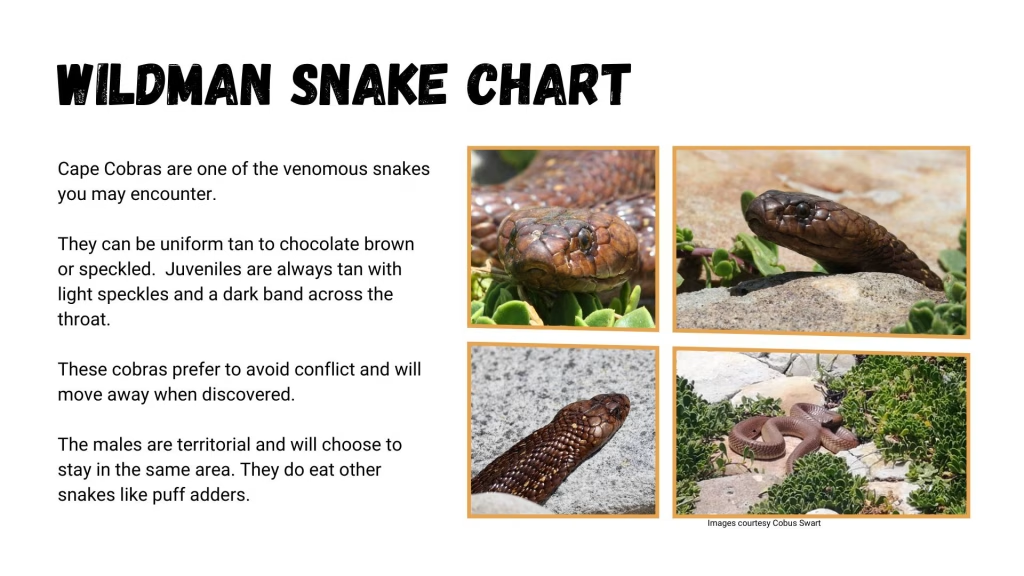
1. Cape Cobra (Naja nivea)
- Highly venomous and considered one of the most dangerous snakes in South Africa.
- Typically yellow or golden brown, but can vary in colour.
- Fast-moving and defensive when threatened.
- If bitten, seek medical attention immediately.
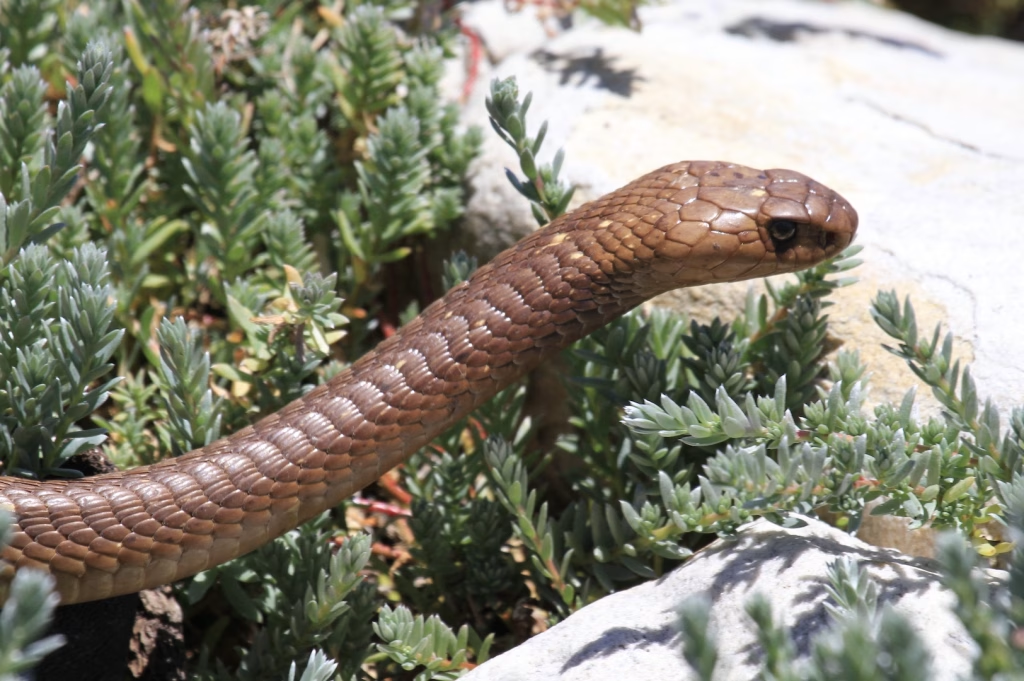
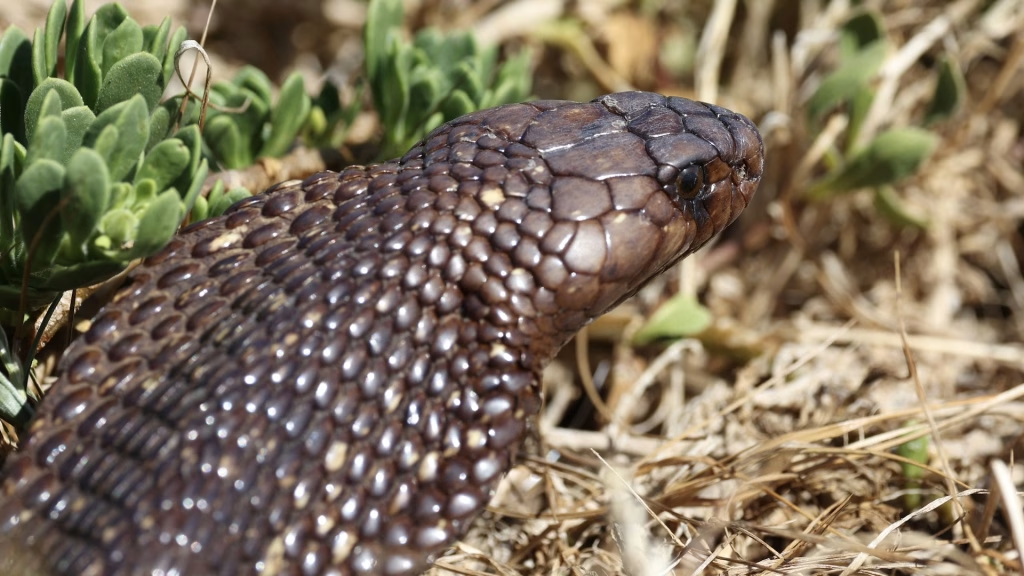
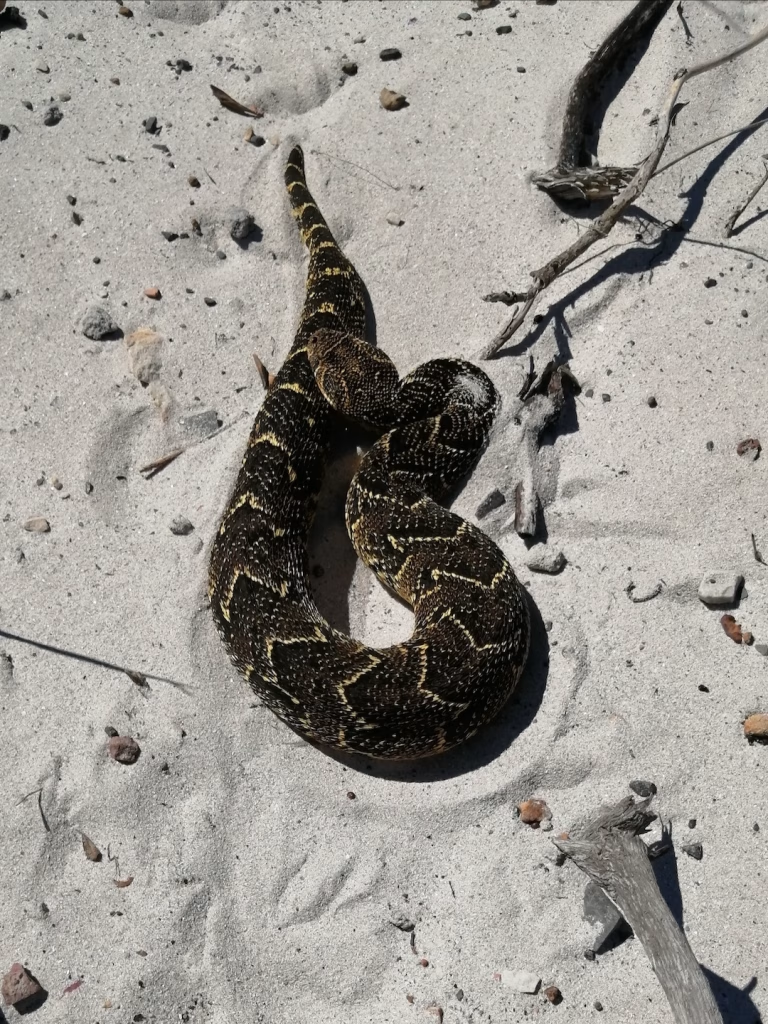
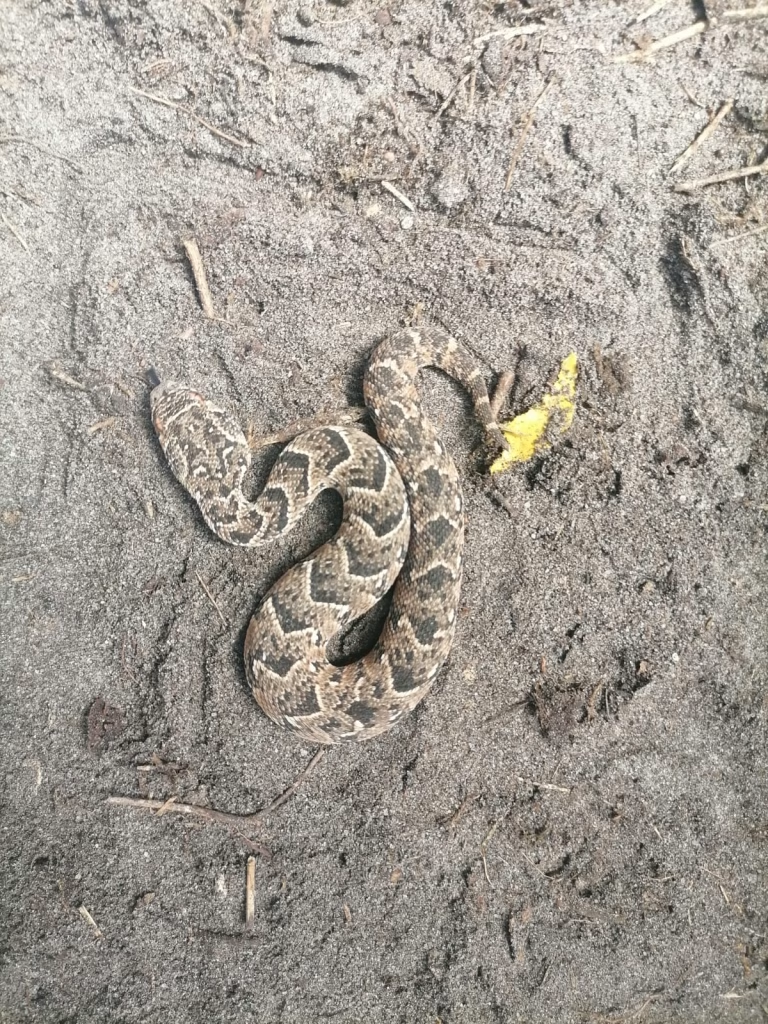
2. Puff Adder (Bitis arietans)
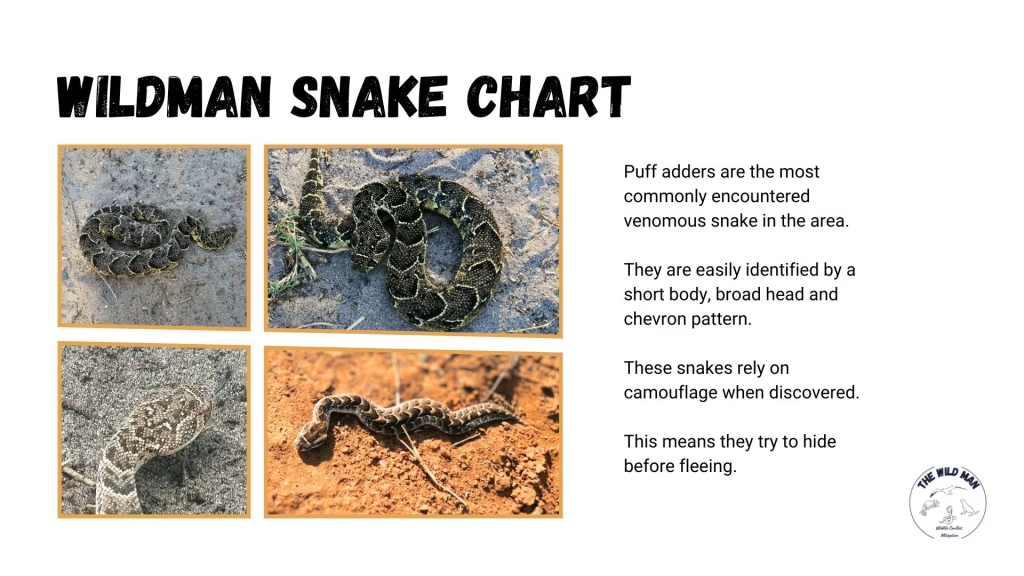
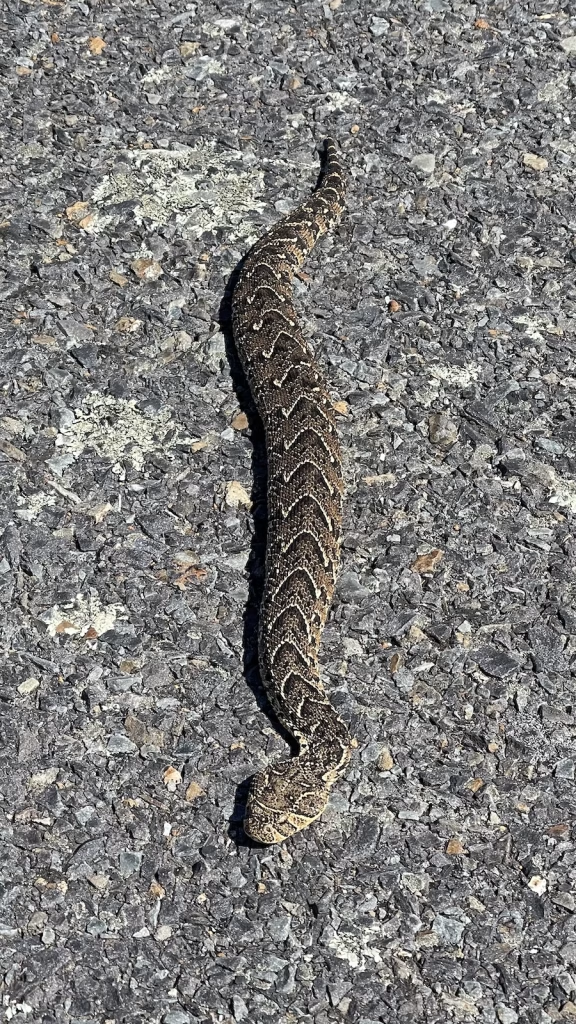
- Heavy-bodied with excellent camouflage, making them difficult to spot.
- The leading cause of snakebites in Southern Africa due to their slow-moving nature and tendency to remain still when approached.
- Possesses a potent cytotoxic venom, which can cause severe tissue damage.
3. Boomslang (Dispholidus typus)
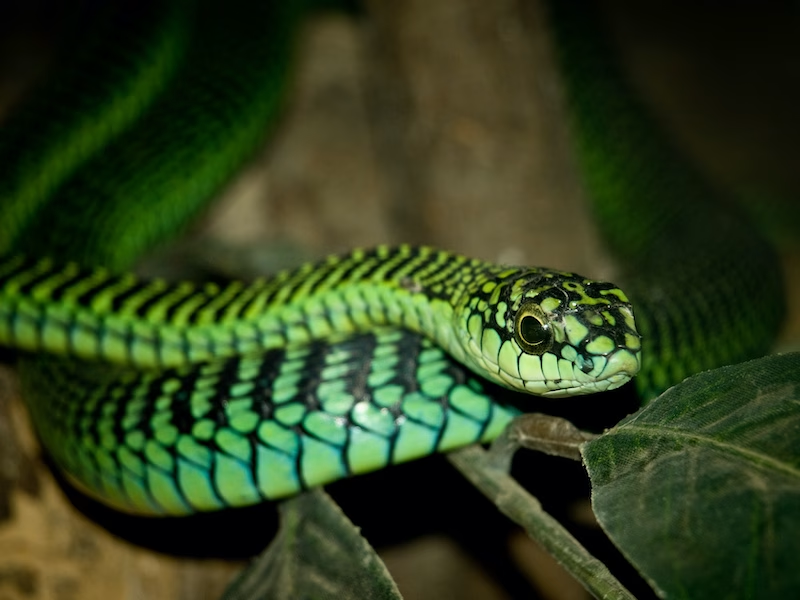
- A rear-fanged venomous snake with highly potent haemotoxic venom.
- Typically green (males) or brown (females), with large eyes and a slender body.
- Not aggressive but will defend itself if provoked.
- Bites can be fatal if untreated, though bites are rare due to their shy nature.
Common Lookalikes: Harmless Snakes Mistaken for Venomous Ones
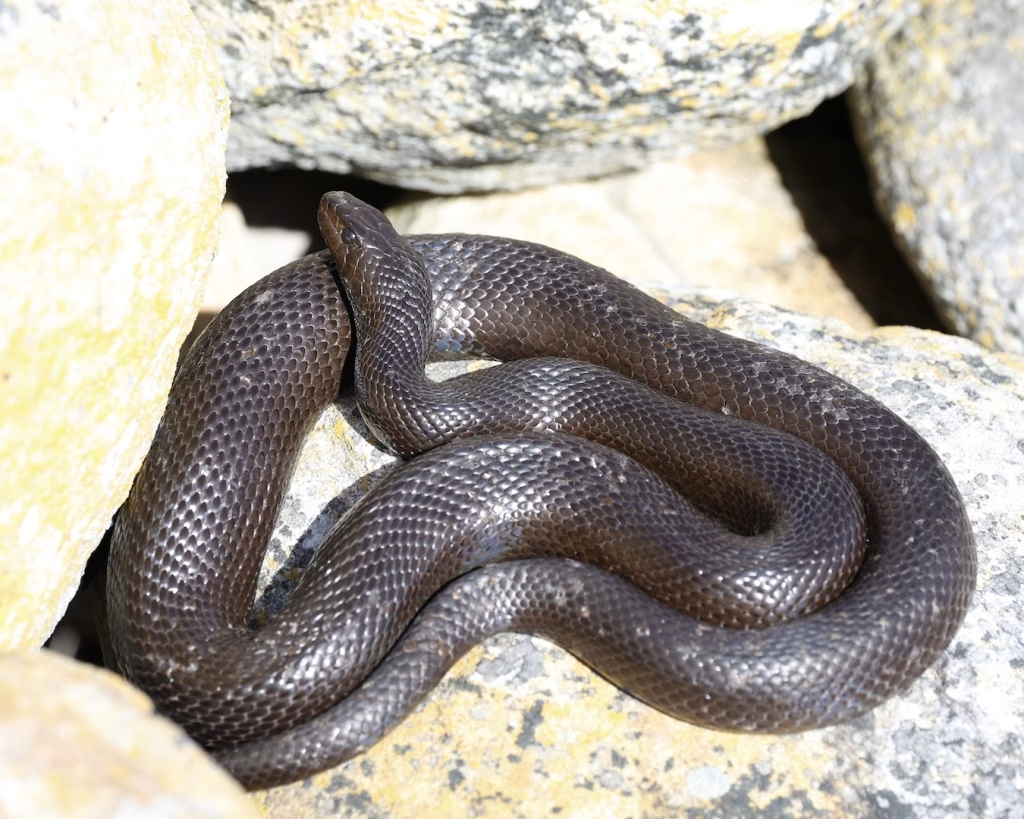
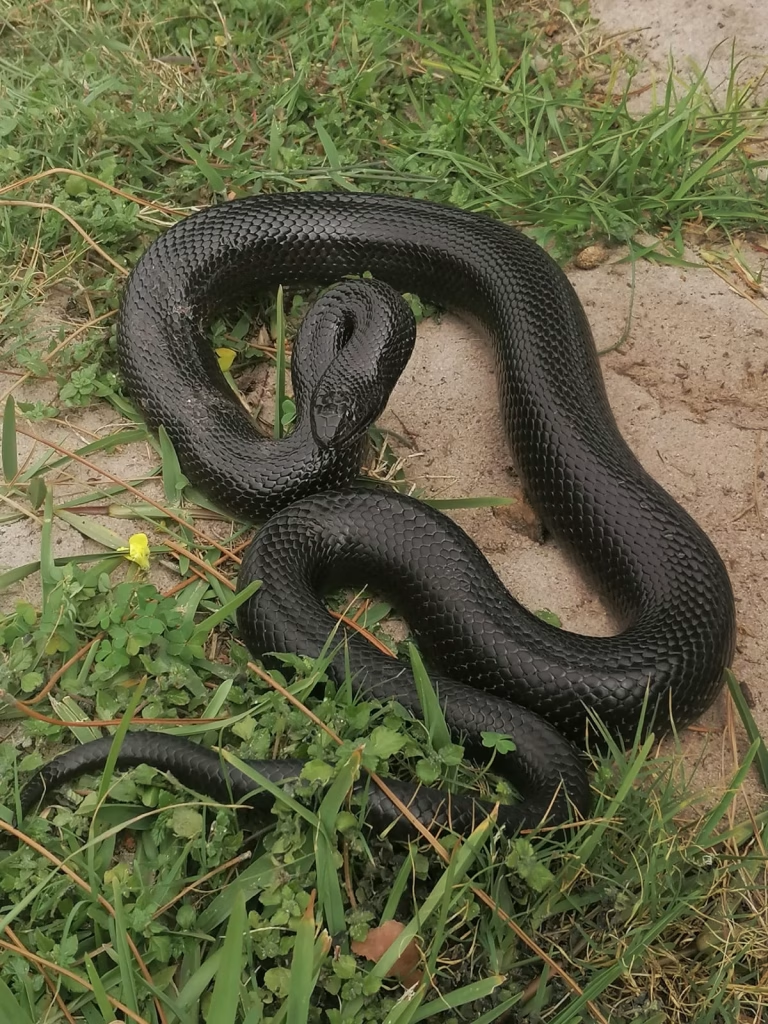
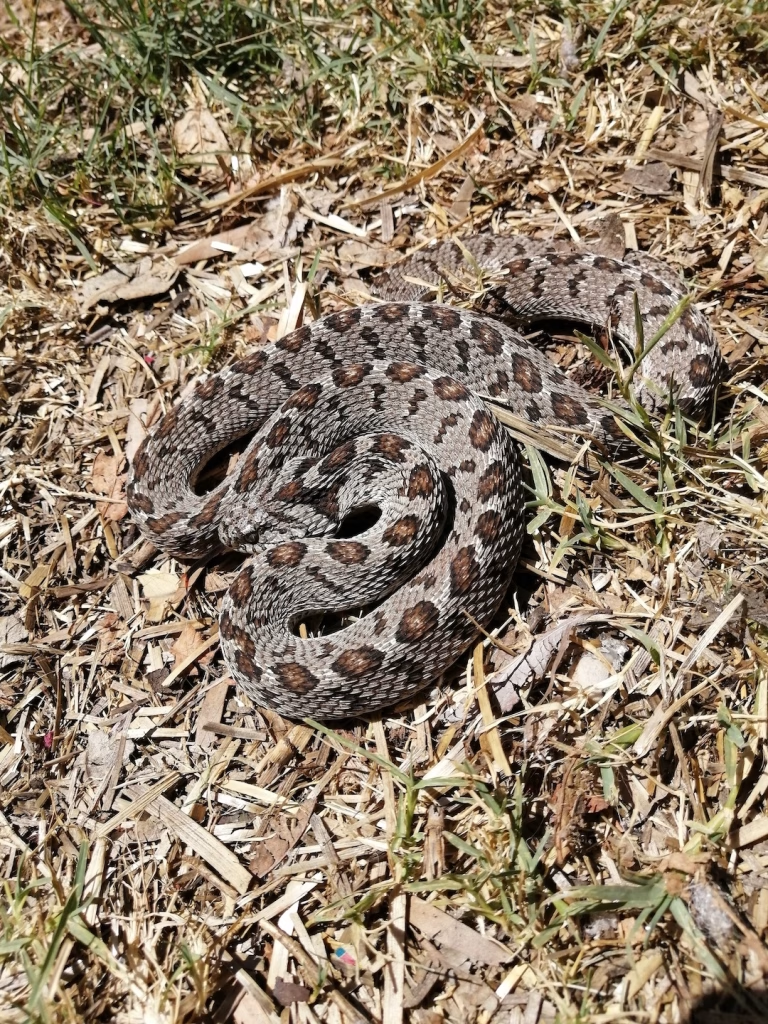
Mole Snake (Pseudaspis cana)
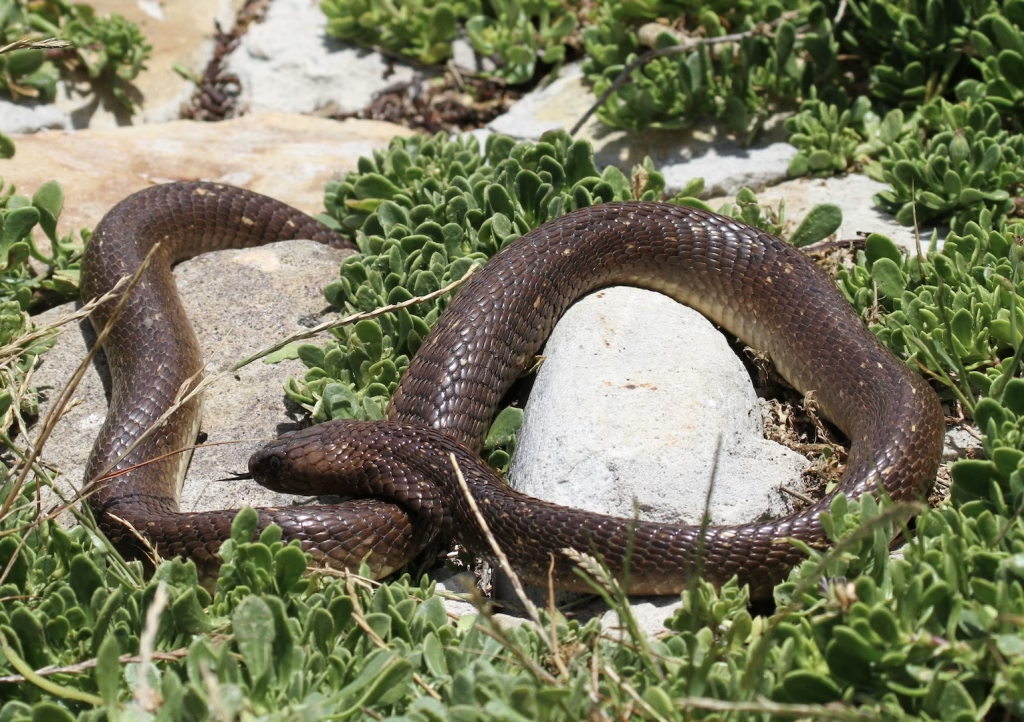
- The Mole Snake (above and below left) is often confused with the Cape Cobra (below right) due to its similar colouring.
- Non-venomous but can be defensive and bite if threatened.
- Plays an essential role in controlling rodent populations.
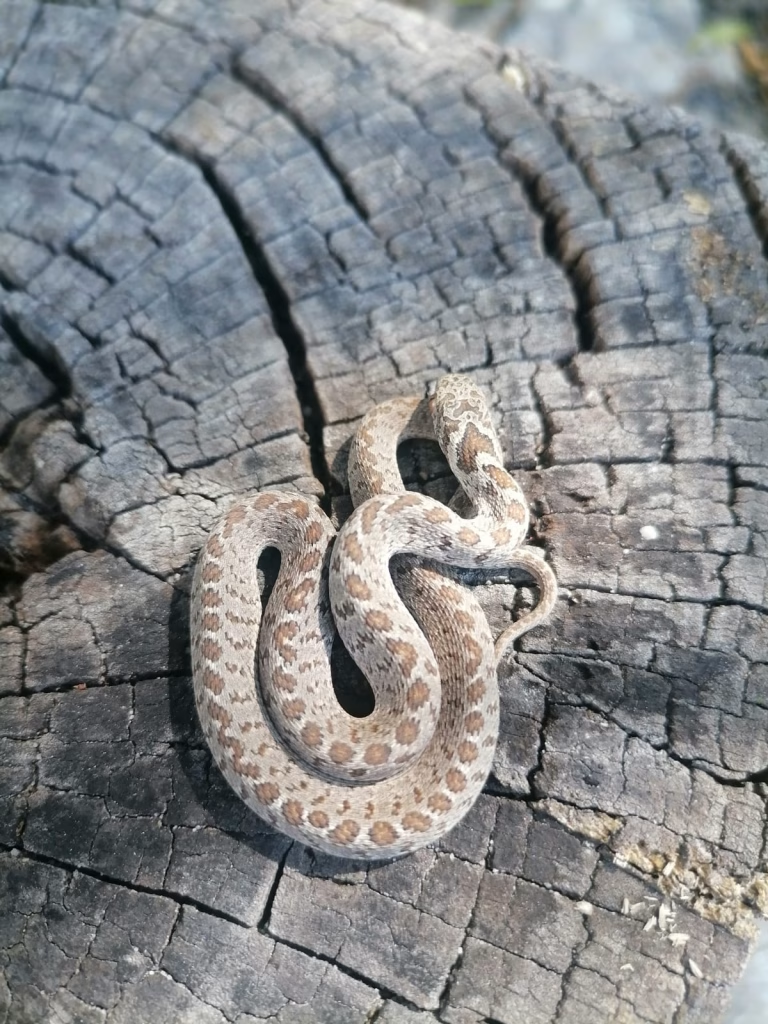
Egg-Eater Snake (Dasypeltis species)
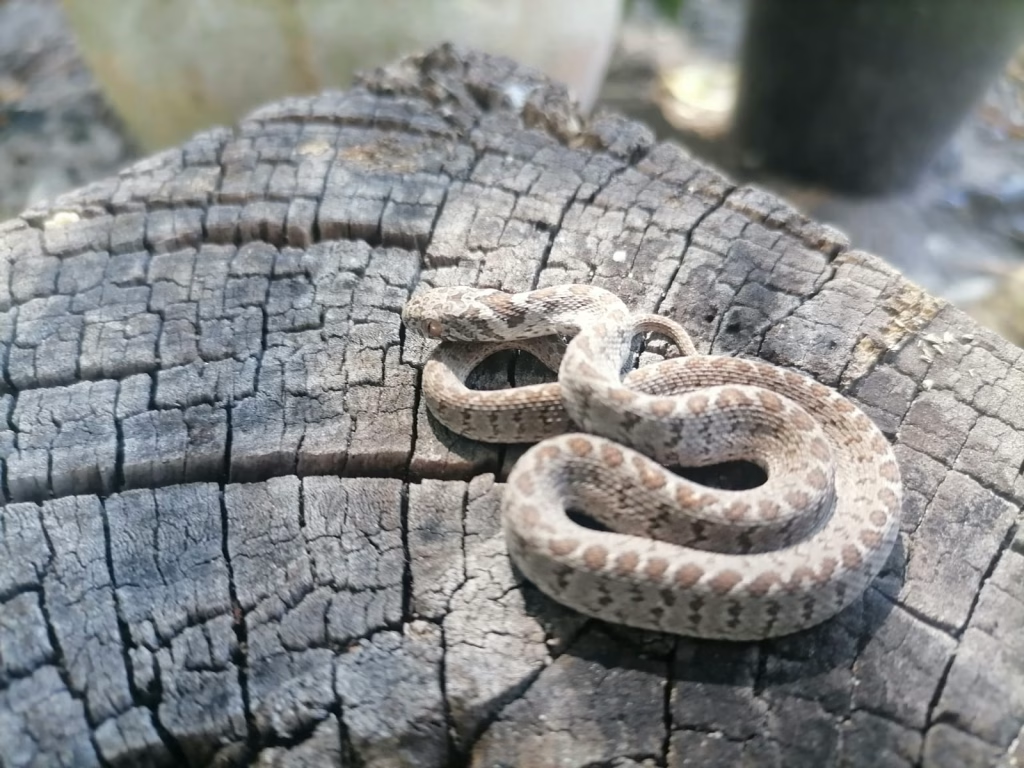
- Harmless and specialises in eating eggs, swallowing them whole and regurgitating the crushed shell.
- Mimics venomous snakes by hissing and mock striking, but it is all a bluff.
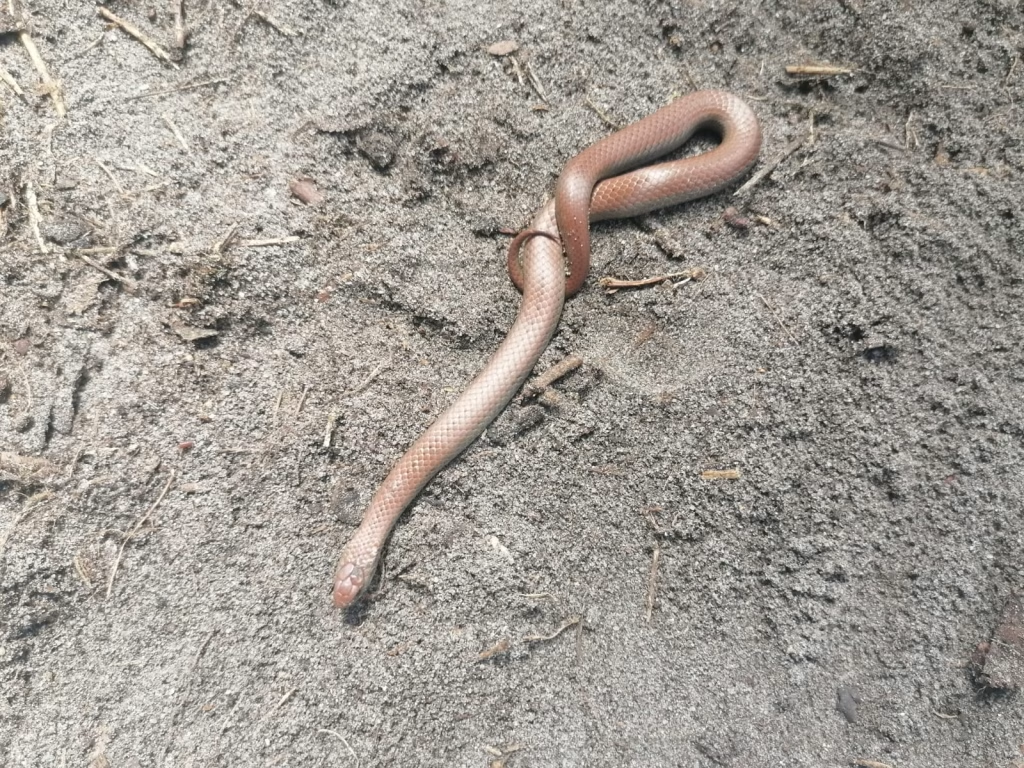
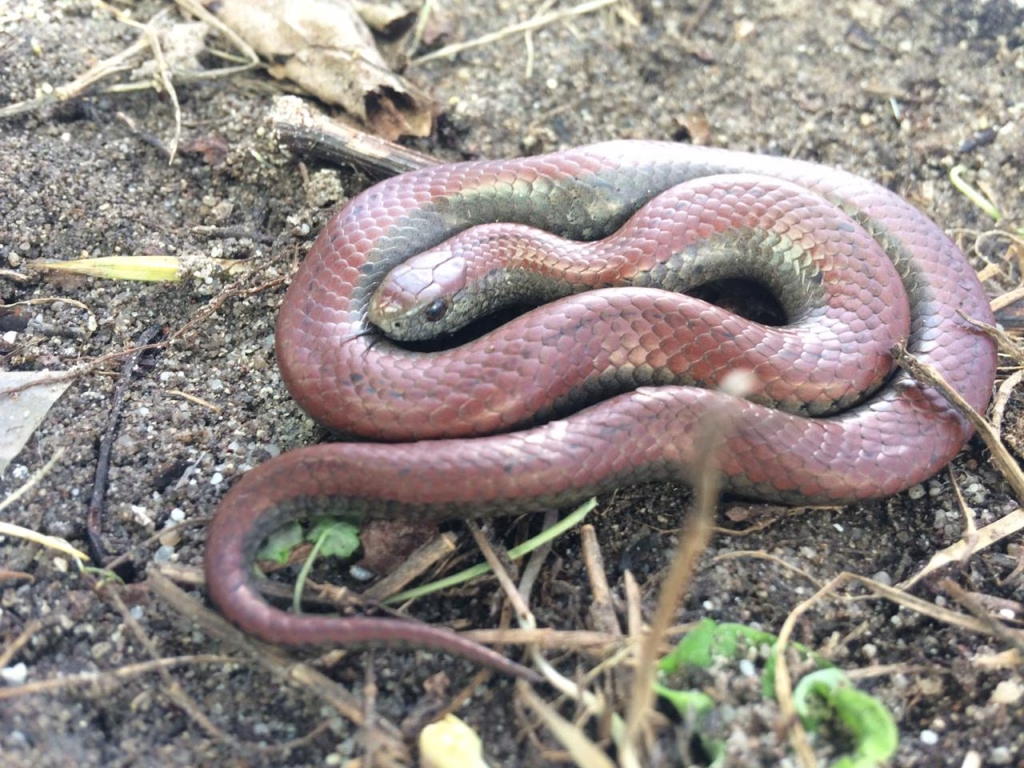
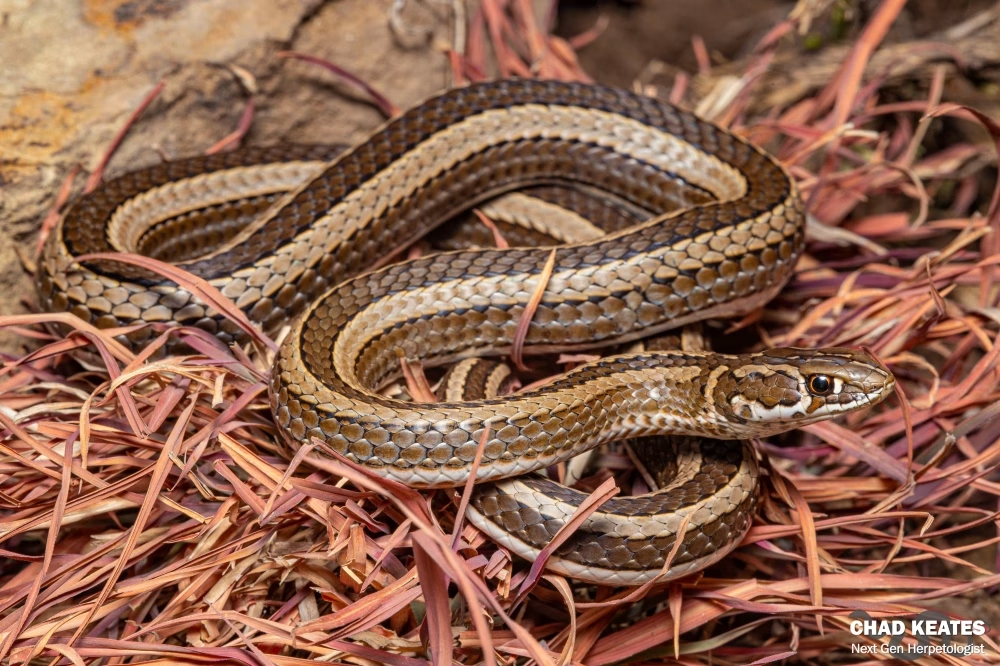
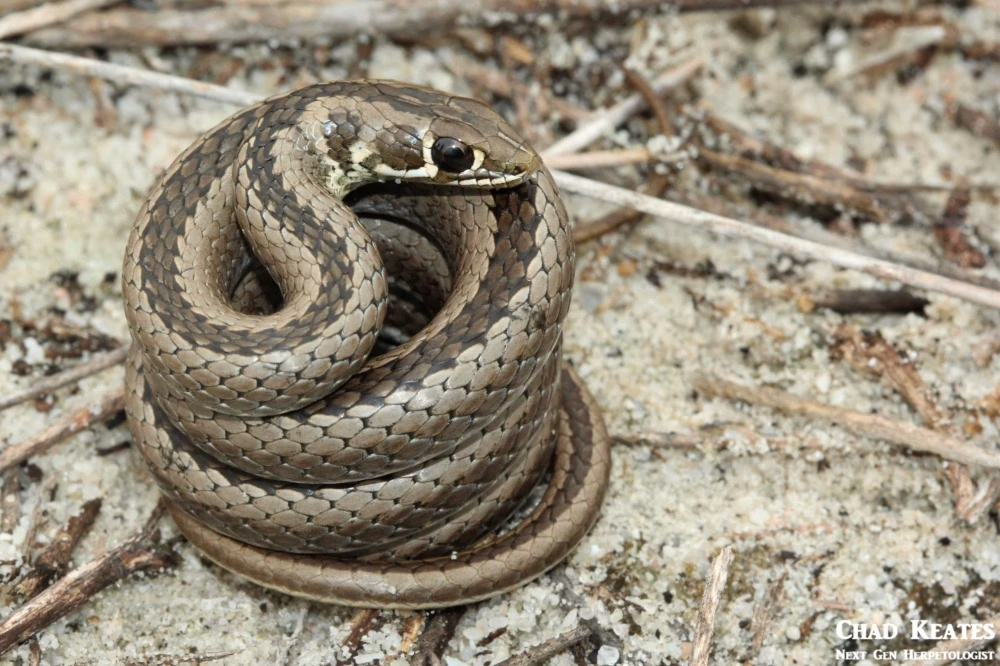
Other common snake species encountered around Kommetjie
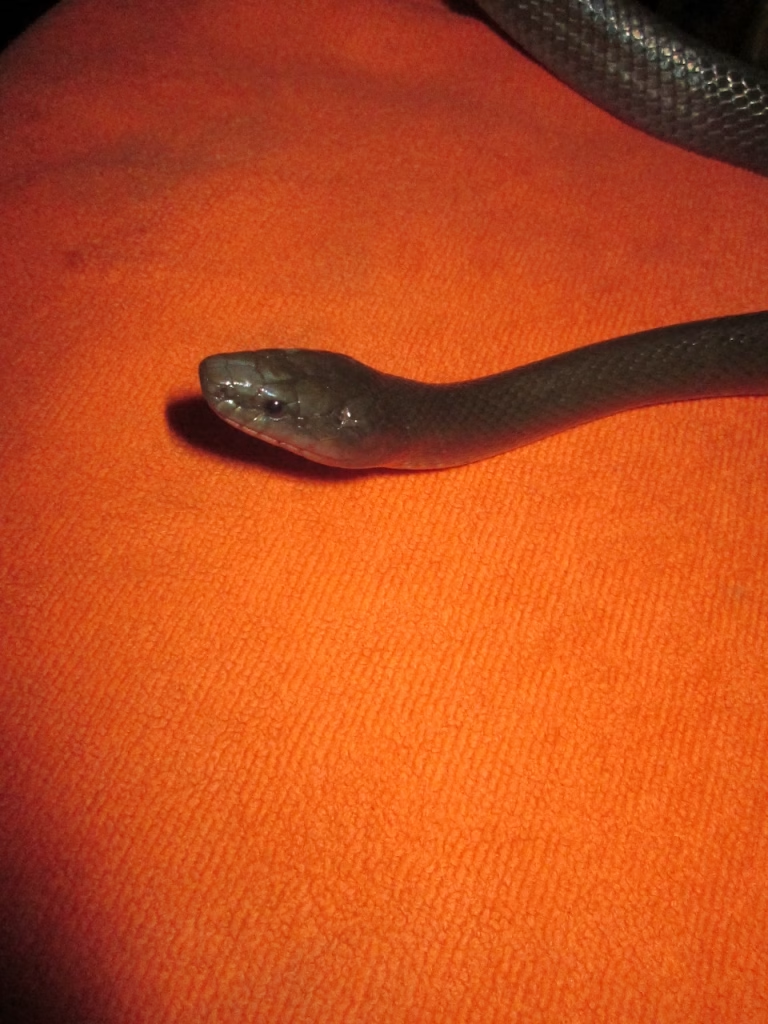
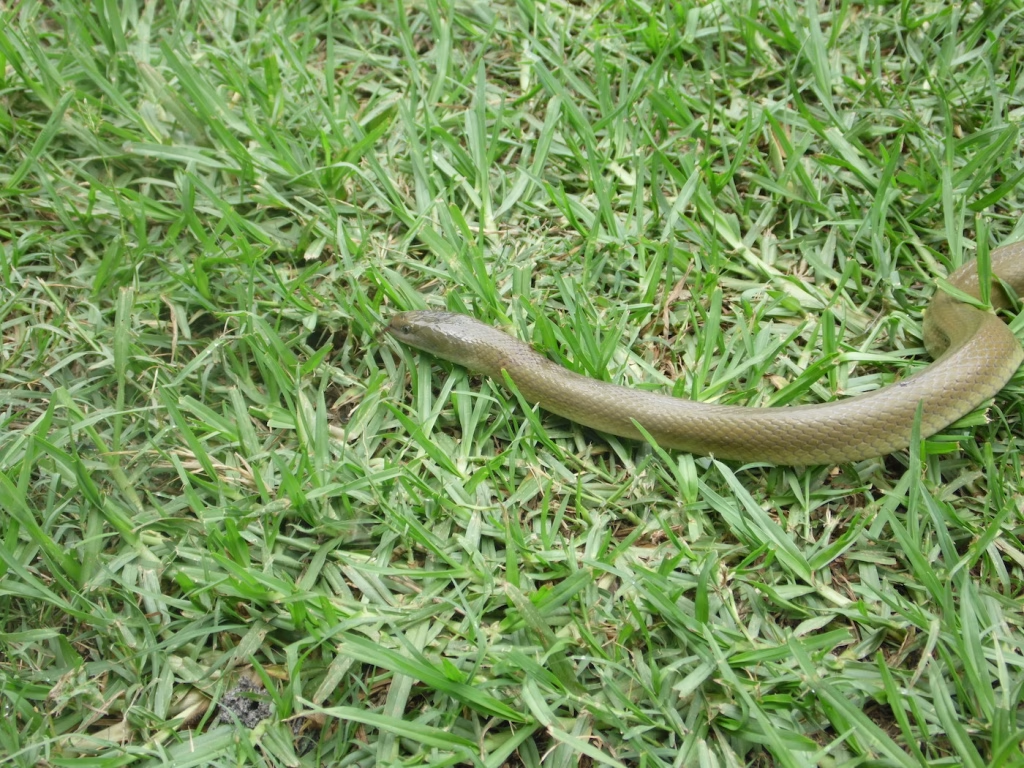
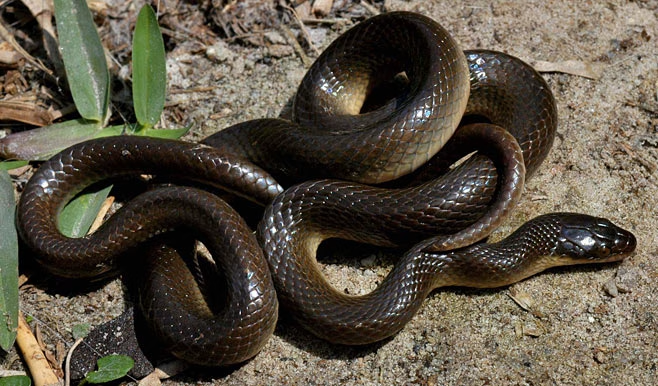
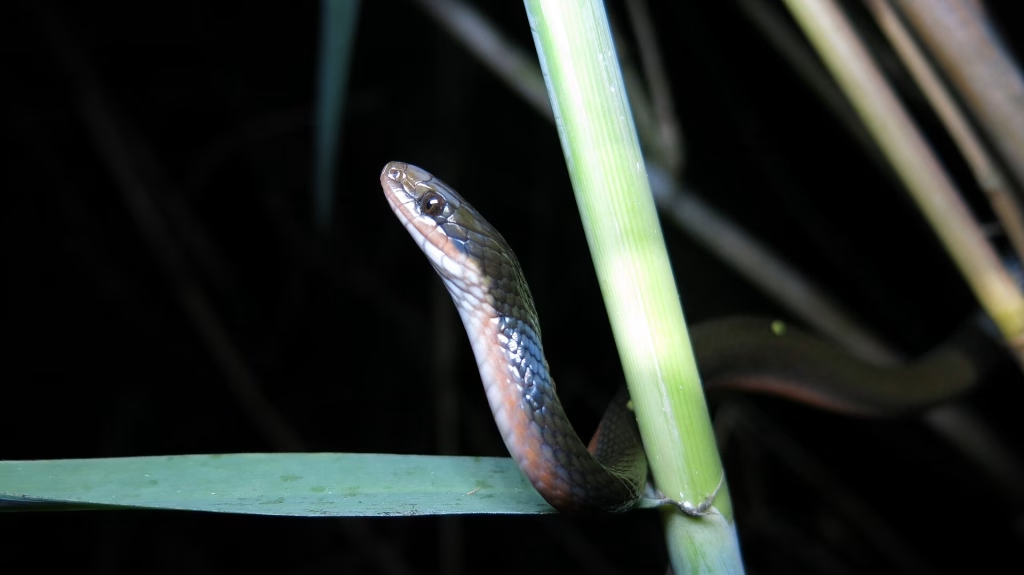
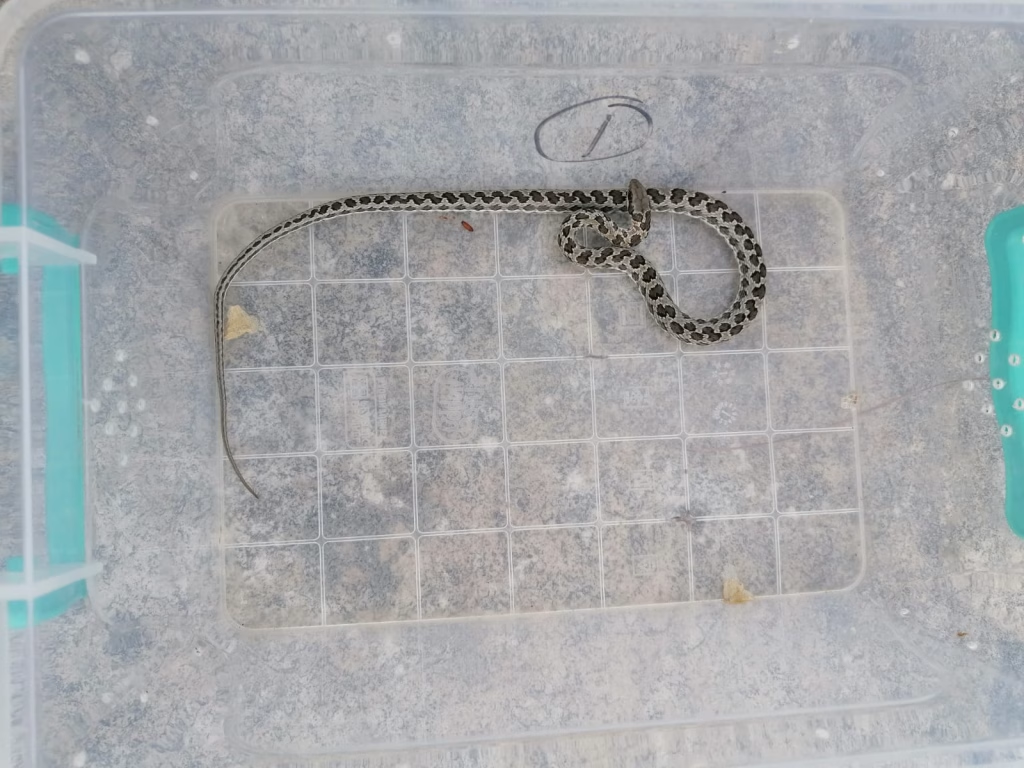
- Olive snake (Olive House Snake)
- Common Brown Water Snake
- Rhombic Skaapsteker
- Common Slug Eater
- Cross-Marked Sand Snake
- Spotted Harlequin Snake
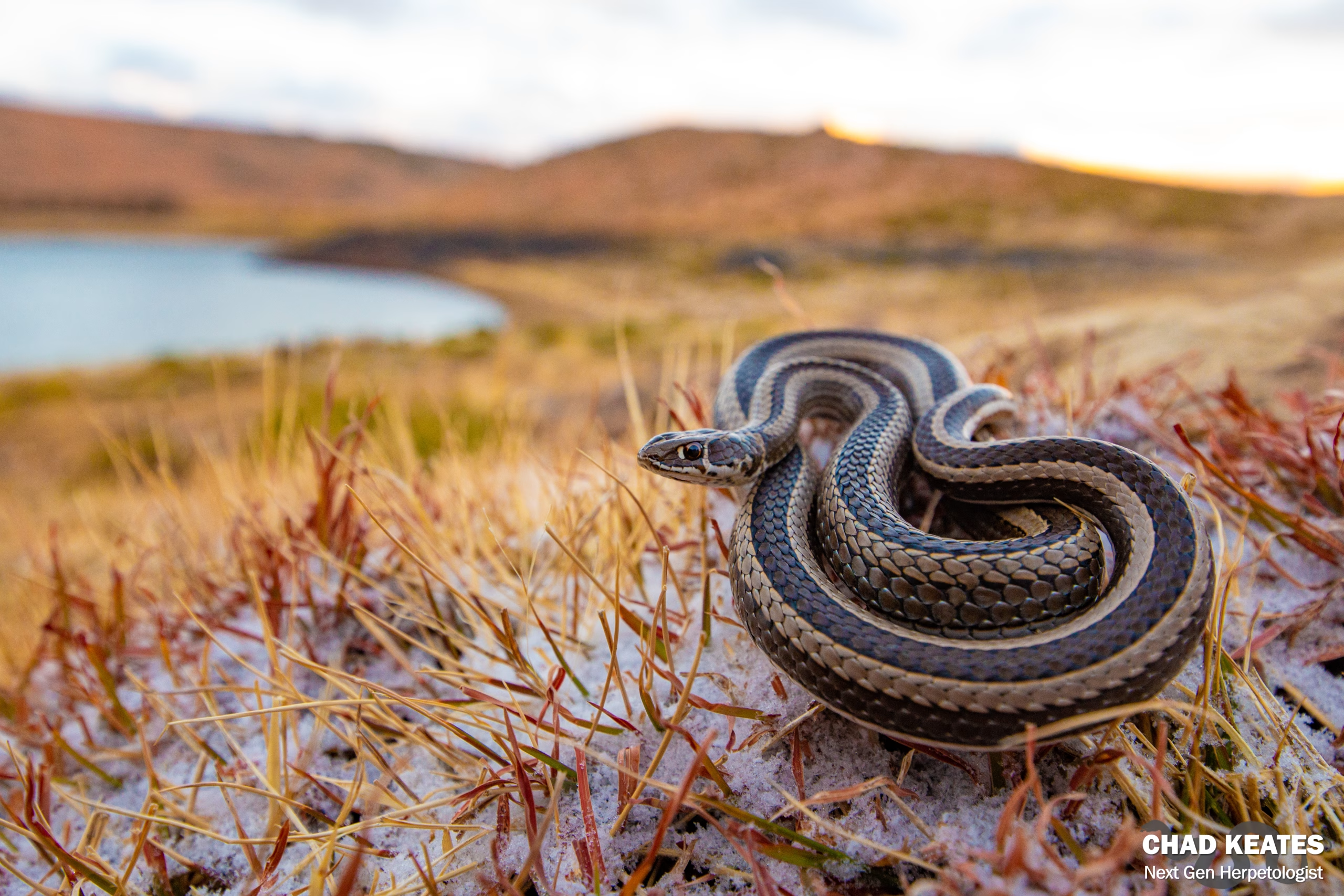
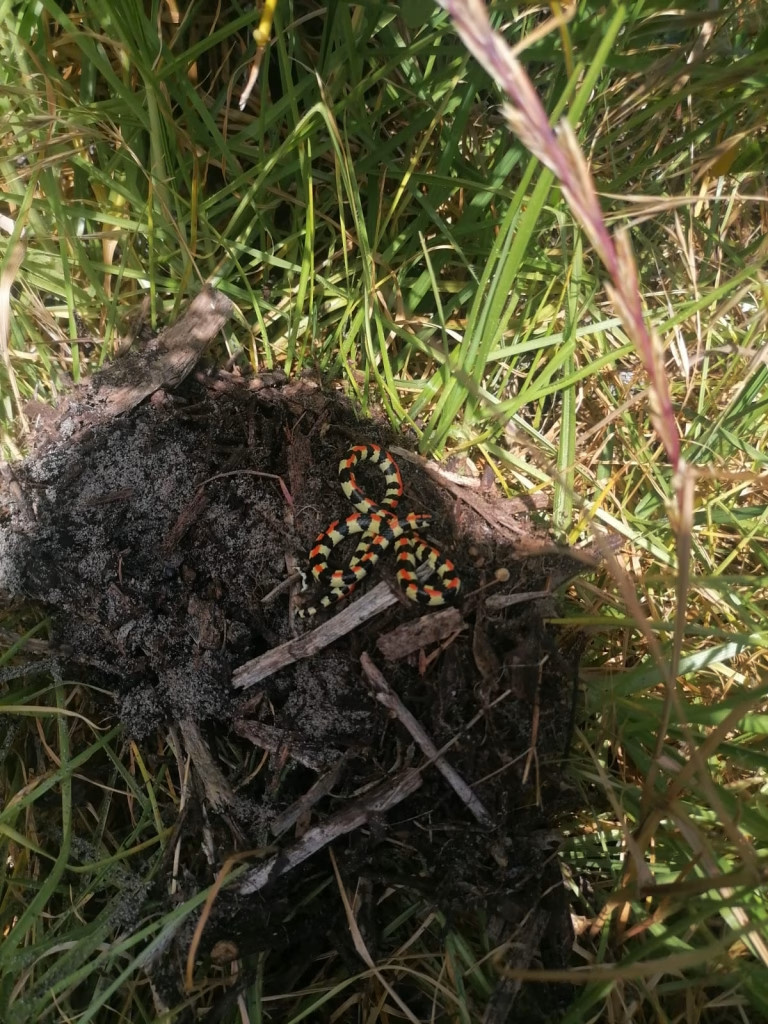
What to Do if You See a Snake
- Do not kill it – snakes are vital for the environment.
- Keep your distance and observe from afar.
- Take a photo if possible for identification.
- Call a professional snake handler for safe removal.
Call an Expert: Brett “Wildman” and His Team
If you encounter a snake and need assistance, Brett and his team at Wild Man Services are here to help. They specialise in safe snake removal, wildlife rescue, and conservation education.
brett@wildlifeman.co.za
WildMan Wildlife Management Consultancy Facebook Page
By staying informed and respecting our local wildlife, we can ensure a safe and harmonious coexistence with the incredible snakes of Kommetjie!
Further reading on the Daily Maverick: