Photos by Ian G Miller with Fine Art Prints available to order
In Kommetjie, where sea, sky, mountain and wetland meet, the natural world offers constant wonder. This corner of the Cape Peninsula is more than a backdrop – it is a thriving ecosystem that draws a dazzling array of birdlife. From the sheltered waters of the vlei to the open stretches of beach and rocky shoreline, birds are an ever-present part of life here, their flight paths tracing the light from sunrise to sunset.
Whether you’re a seasoned birder or simply a curious local, this visual guide highlights just some of the species you may encounter in Kommetjie and its surrounds, from the watchful oystercatcher or enigmatic heron to the darting, emerald subird. It is not exhaustive, but instead invites you to pay attention, to look up, and to celebrate the biodiversity that thrives around us.
Coastal Birds
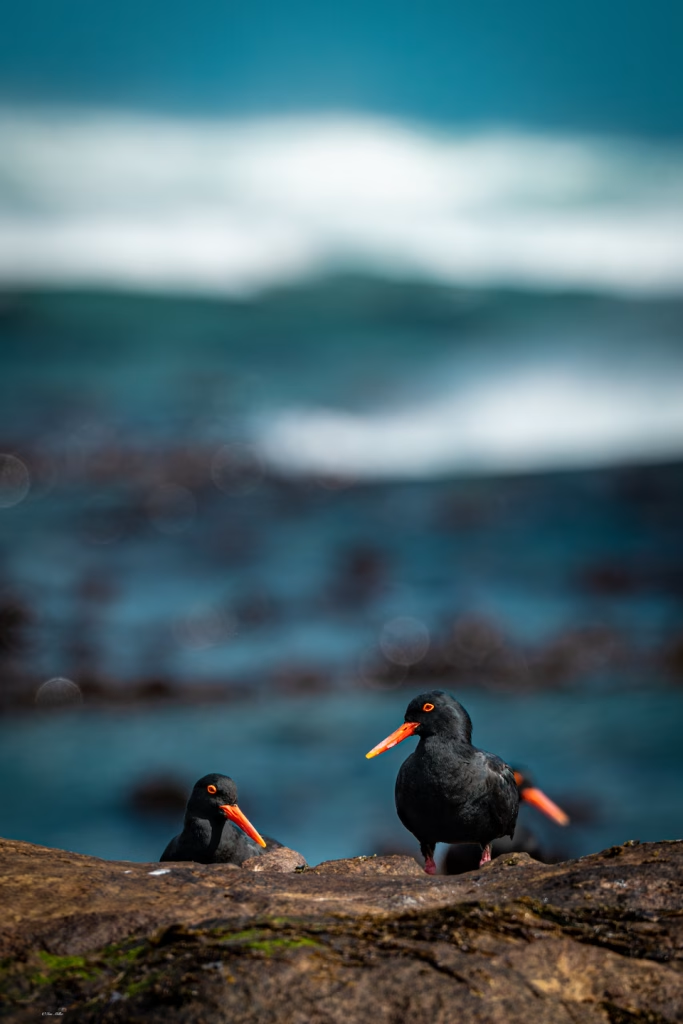
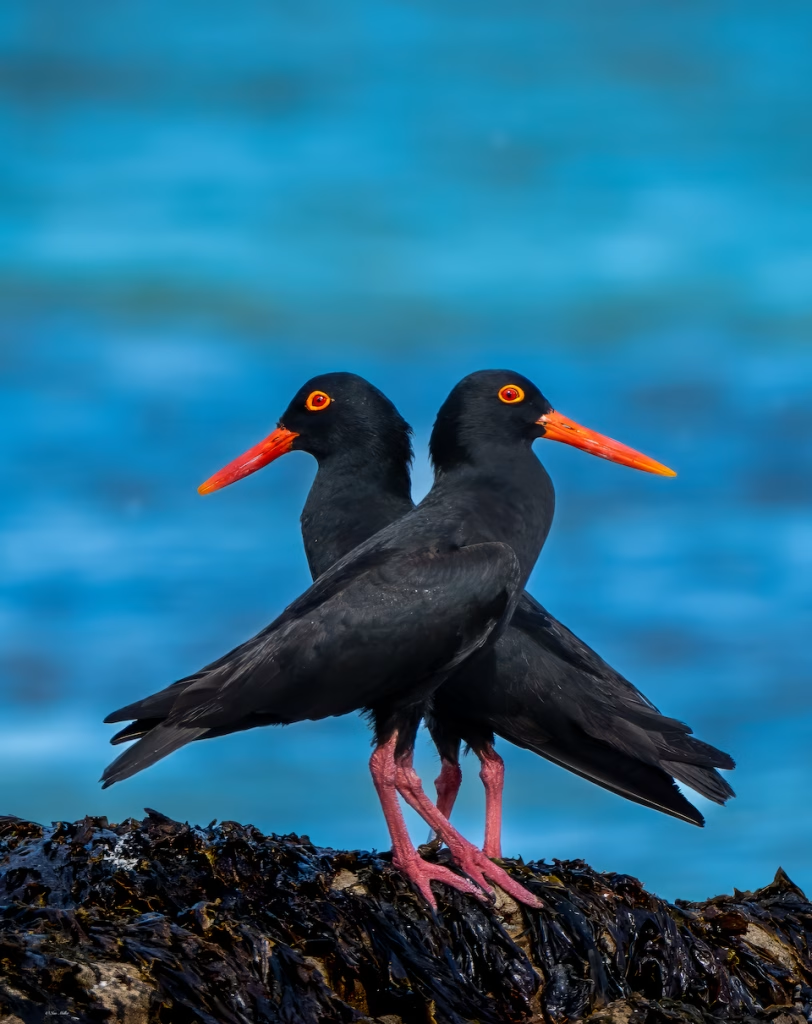
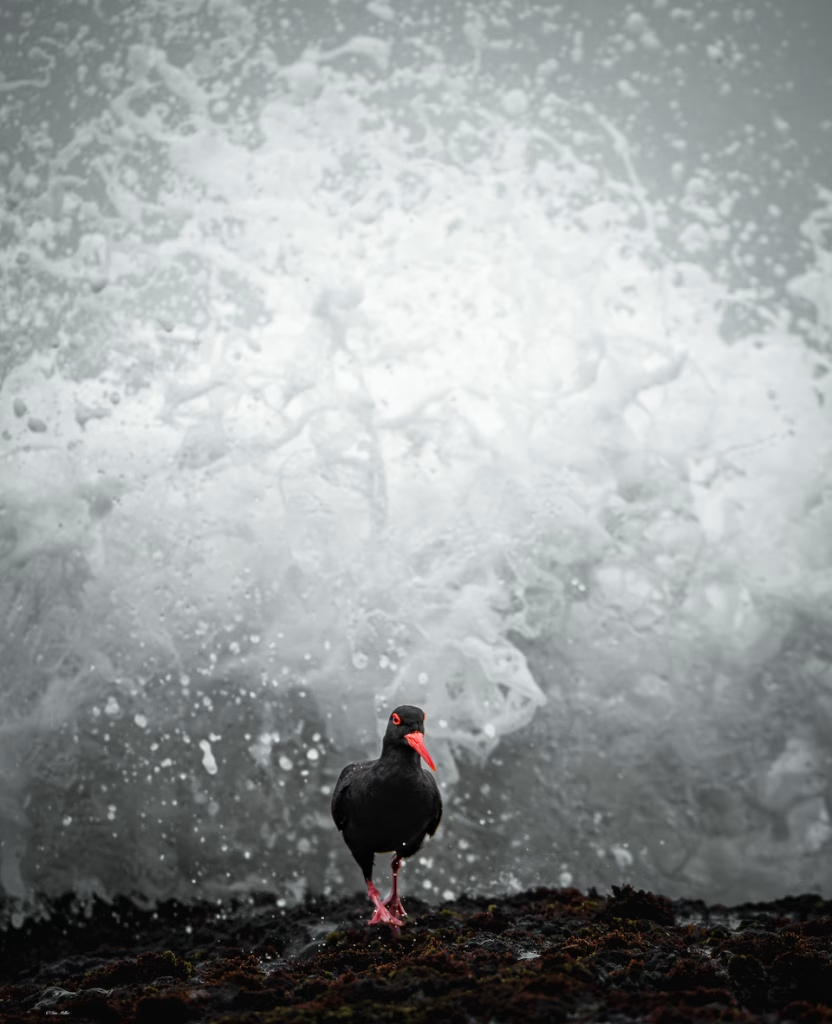
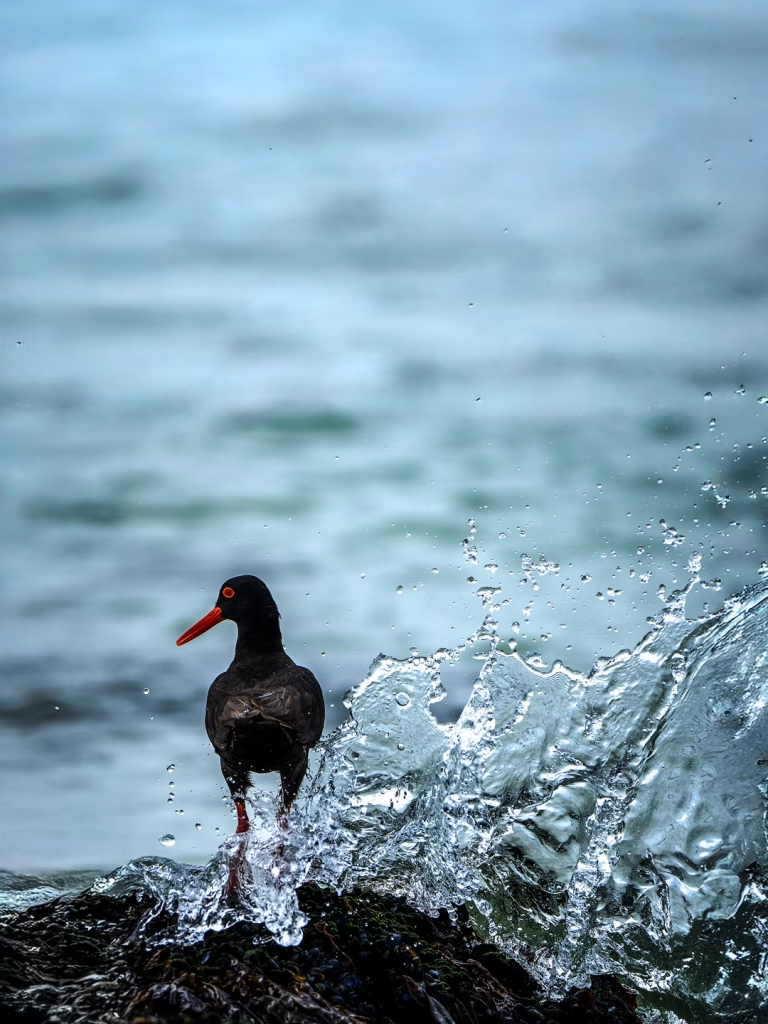
African Black Oystercatcher
Haematopus moquini
Habitat – Rocky shoreline and coastal sandbanks. Often seen at the Kom and nesting near the estuary between Kommetjie and Noordhoek Beach, specifically Wildevoëlvlei.
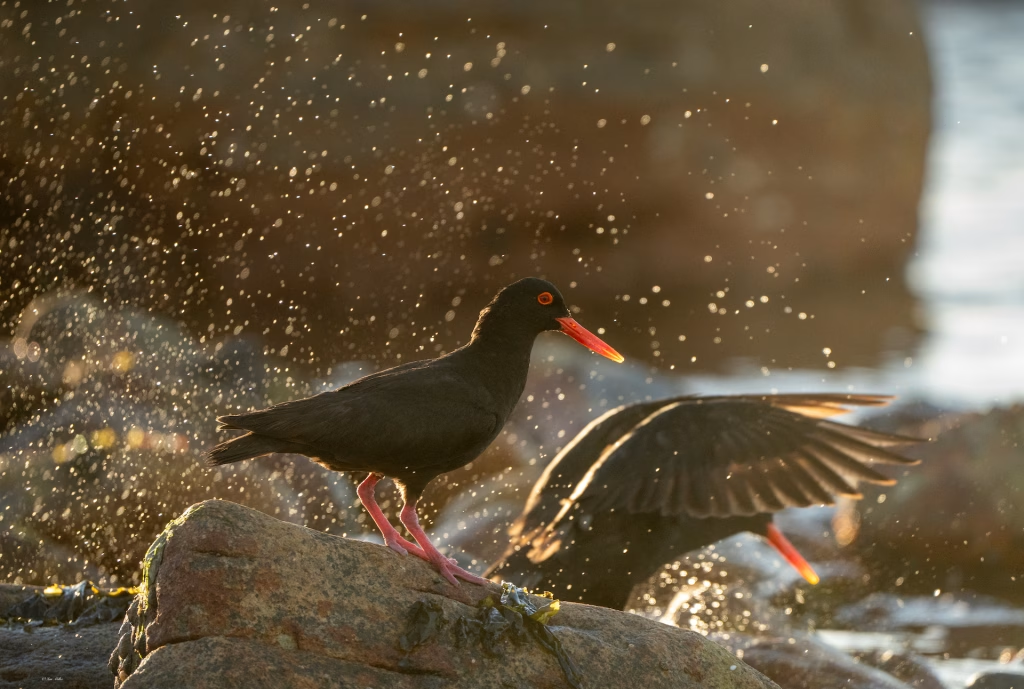
Striking in appearance with red legs and a vivid bill, the African Black Oystercatcher is often seen in pairs on Kommetjie’s rocky shoreline. Known to forage in estuarine and coastal environments, they feed on limpets and mussels and nest close to the high-tide line.
Endemic to southern Africa, it’s a conservation success story – once threatened, its numbers have rebounded thanks to public awareness and habitat protection – another reason to keep dogs on leads when walking near nesting areas. Look out for our local signage, which indicates this location towards the estuary between Kommetjie and Noordhoek beaches.
Common Tern
Sterna hirundo
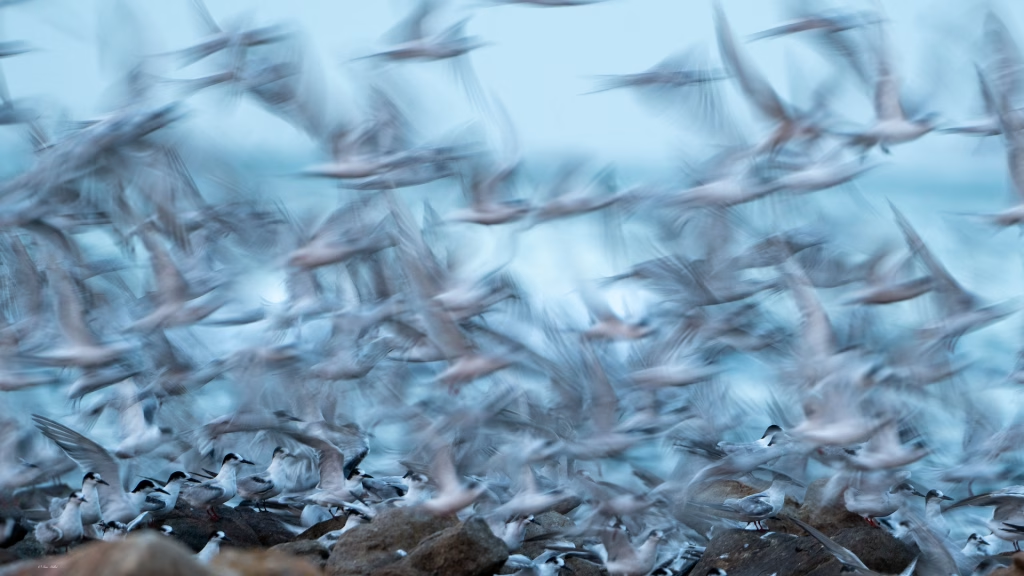
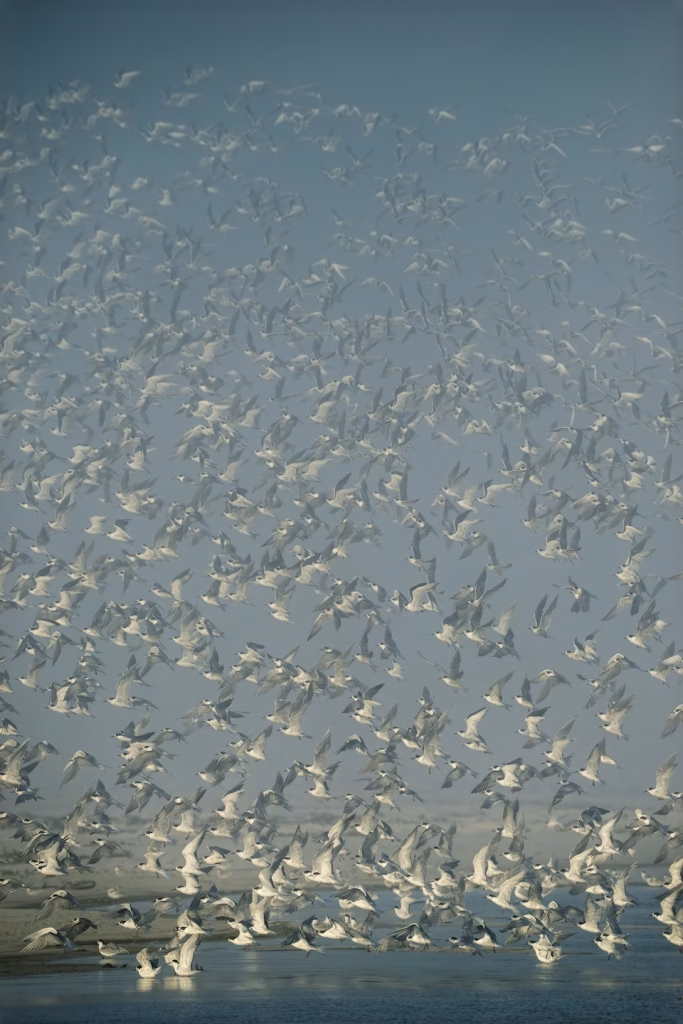
Habitat – Coastal beaches, sandbanks and offshore. Look out for them wheeling above the water’s edge diving for fish, often flying between the Noordhoek wetlands and Kommetjie, or resting in mixed flocks near the Slangkop boardwalk.
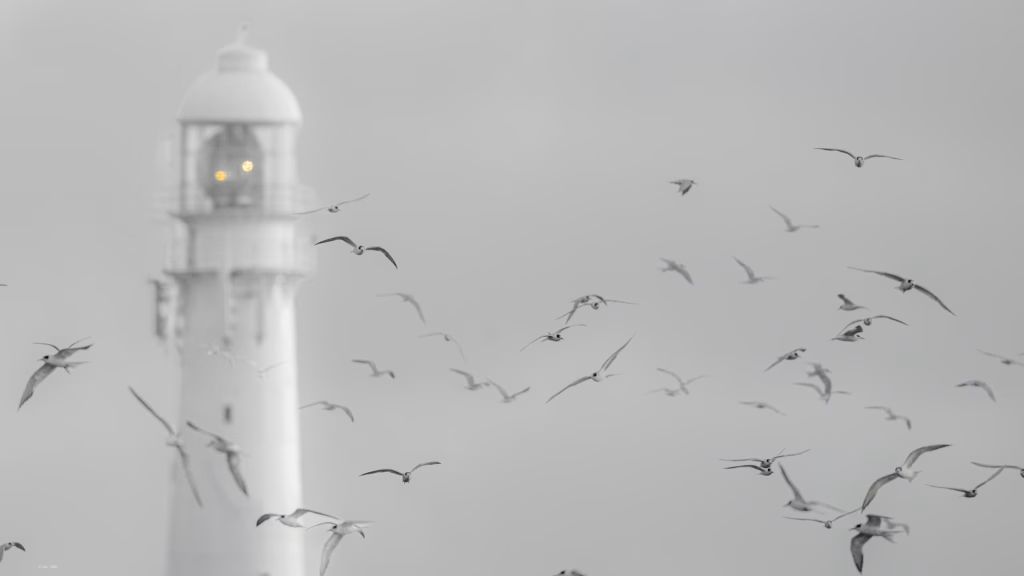
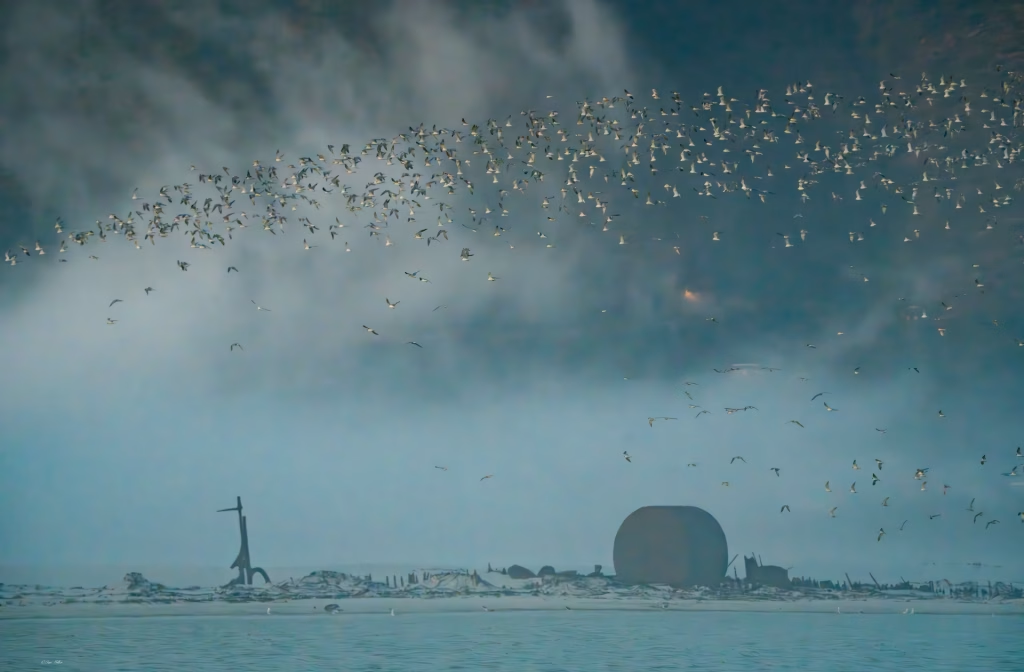
These elegant seabirds arrive in large flocks during summer, migrating from the northern hemisphere to rest and feed along the Peninsula’s shores. With their graceful flight, sharp forked tails and occasional plunging dives for fish, Common Terns bring movement and life to Kommetjie’s beaches. Their calls, often heard before they are seen, lend a seasonal rhythm to the coast.
White-fronted Plover
Charadrius marginatus
Habitat – Sandy beaches and estuarine sandbanks. Look for them on the open sands between Kommetjie and Noordhoek.
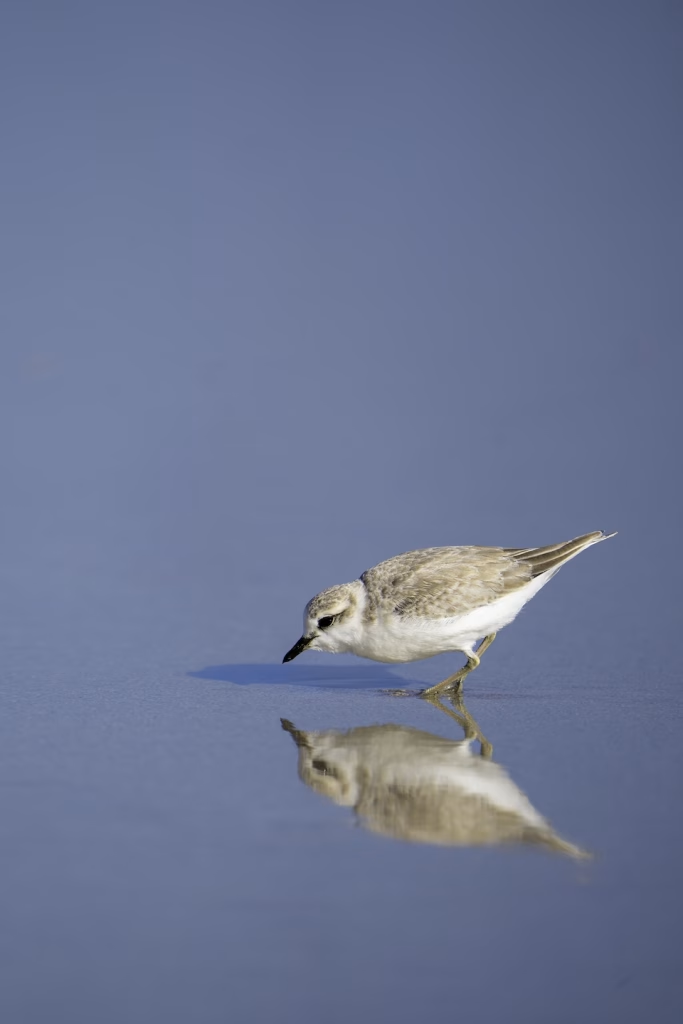
This dainty shorebird blends seamlessly into its sandy surroundings. With a neat white forehead and chest band, it’s one of the beach’s quieter residents – often seen in pairs or small family groups darting along the sand. Their subtle presence makes them a rewarding spot for patient observers. Their nests, little more than scrapes in the sand, make them vulnerable to foot traffic and dogs.
Hartlaub’s Gull
Chroicocephalus hartlaubii
Habitat – Beaches, harbours, car parks and urban coastlines. Often seen scavenging near the Kom.
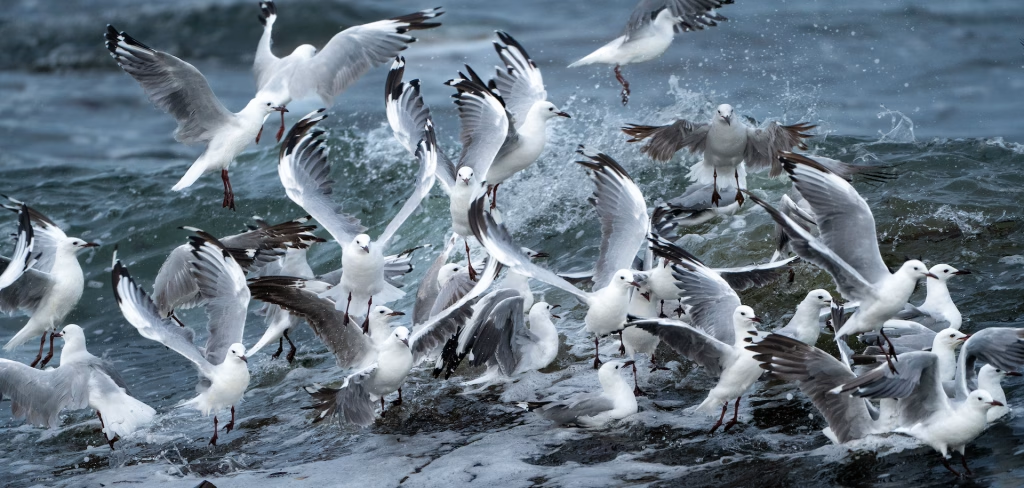
Endemic to southern Africa, this small gull is a city and beach dweller, often associated with Cape Town’s coastline. Its grey-and-white plumage and sharp, somewhat brash calls are part of the soundscape of the Cape’s beaches and harbours. Though not always admired, they play a vital ecological role in coastal cleanup.
Kelp Gull
Larus dominicanus
Habitat – Coastal shores, beaches, harbours and refuse sites. Common around Kommetjie, especially near the tidal pool and rocky outcrops.
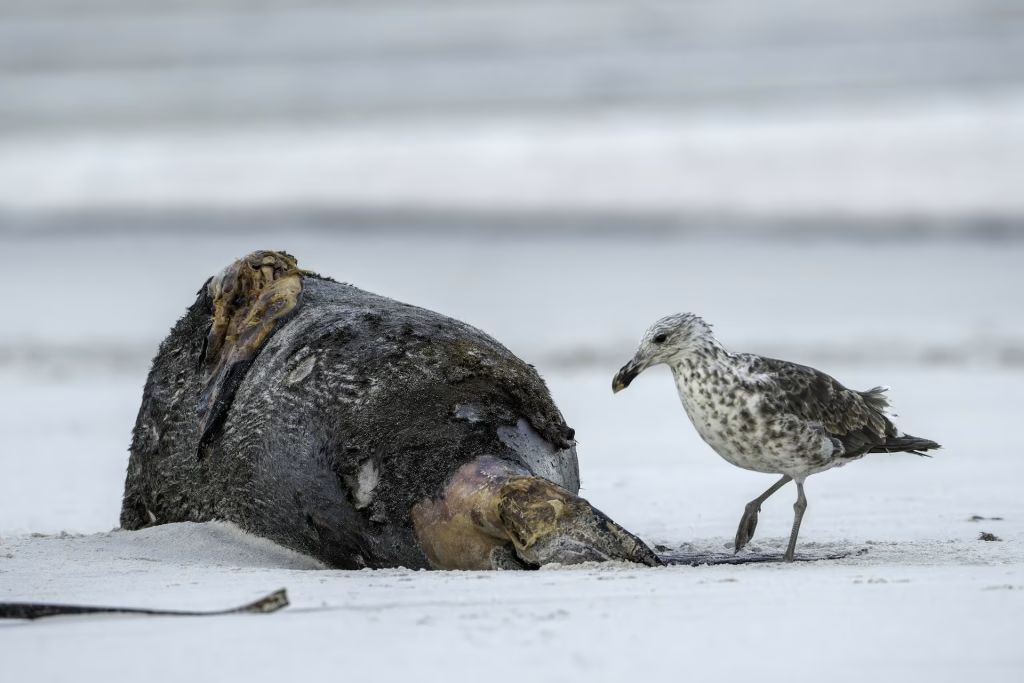
Also known as the Dominican Gull, the Kelp Gull is larger and more imposing than Hartlaub’s Gull, easily identified by its dark back, yellow bill with a red spot, and bold, confident presence. These adaptable gulls are skilled scavengers and can be seen patrolling beaches, landfills and picnic spots alike.
Wetlands and Vleis
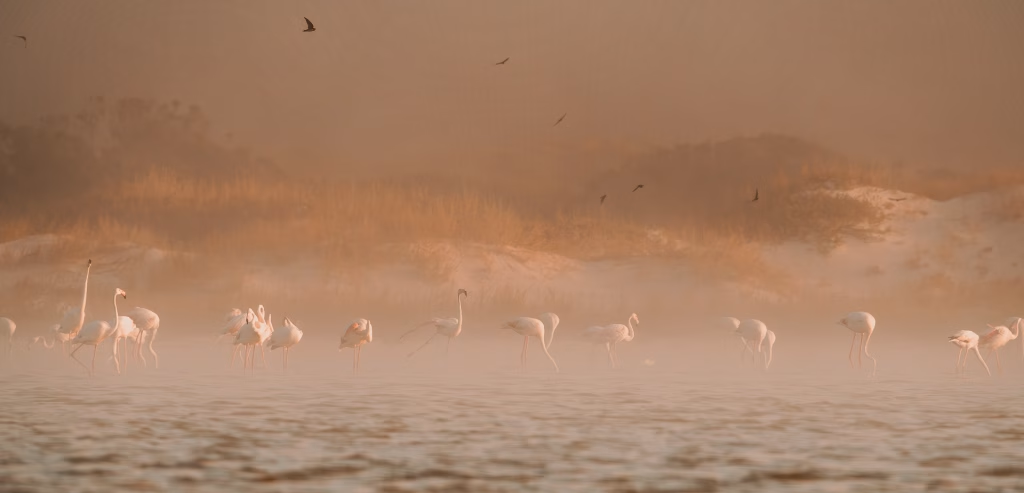
Greater Flamingo
Phoenicopterus roseus
Habitat – Shallow freshwater or brackish vleis and estuaries. Sometimes seen in the wider Noordhoek wetlands.
Seen at nearby wetlands such as Wildevoelvlei or the lower Silvermine River, Greater Flamingos are a rare but unforgettable sight. Their pink hue comes from the carotenoid-rich organisms they feed on. They wade through the shallows in flocks, heads down, filtering food from the water.
Though more often associated with inland pans, Greater Flamingos are occasionally seen in the Cape’s coastal vleis, especially after good rains. Their pale pink plumage, sinuous necks and stately movements create an almost surreal sight against the water – and are a sight to be seen in flight in striking V-formation. When feeding, they sweep their bills from side to side through the shallows, filtering out tiny organisms.
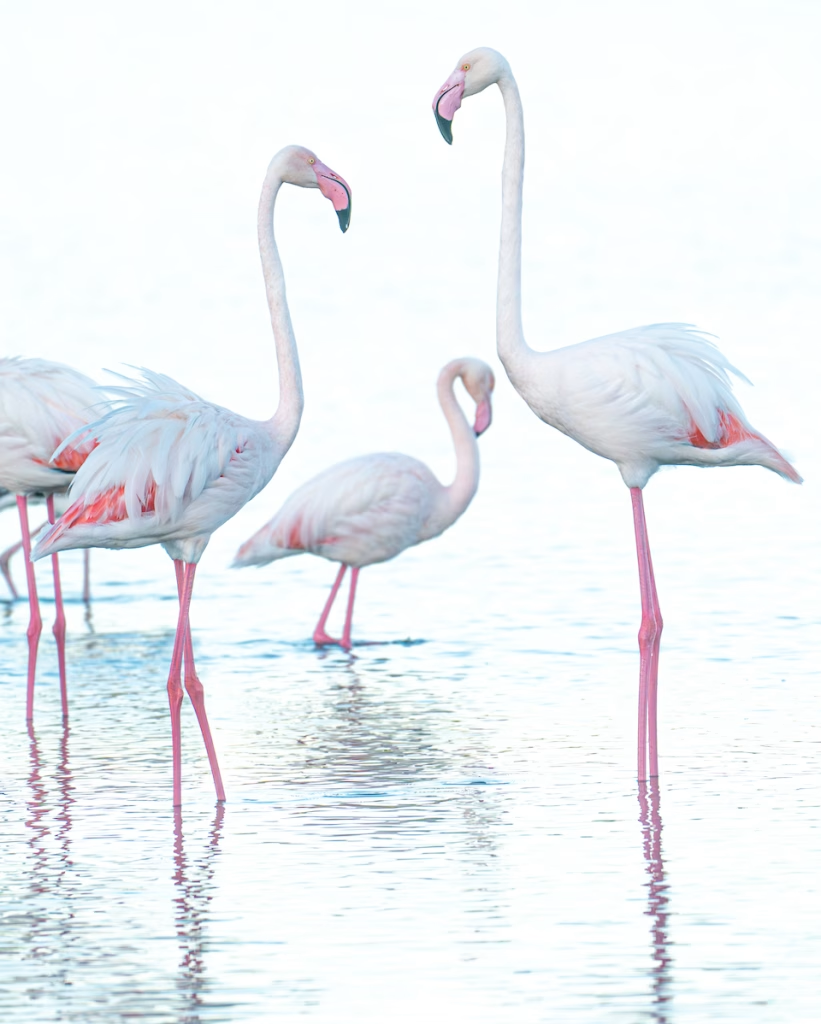
Fine Art Prints of this photograph by Ian G Miller are available to order.
Grey Heron
Ardea cinerea
Habitat – Wetlands, vleis, ponds and shallow coastal edges.
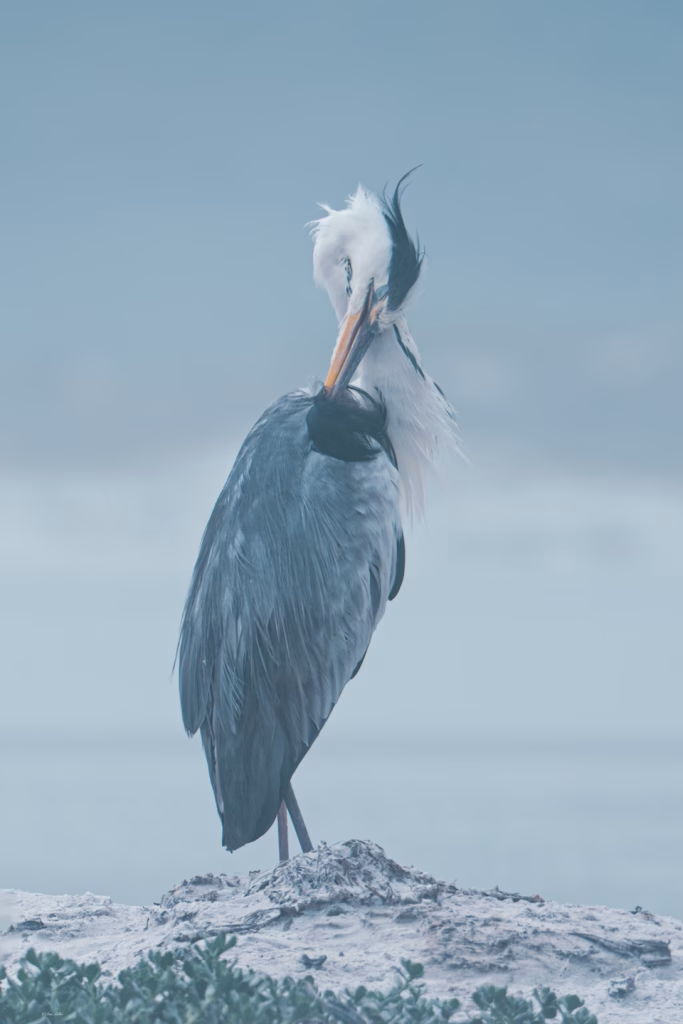
Tall, solitary and unmistakable, the Grey Heron is a familiar figure on the vlei’s edge, often seen near the Kom and around the rocky shoreline, and flying high overhead, solitary or in a pair. Patient hunters, they stand still for long periods before striking suddenly at fish or frogs. Their slow wingbeats in flight are often silhouetted at dusk, a quiet marker of the day’s close.
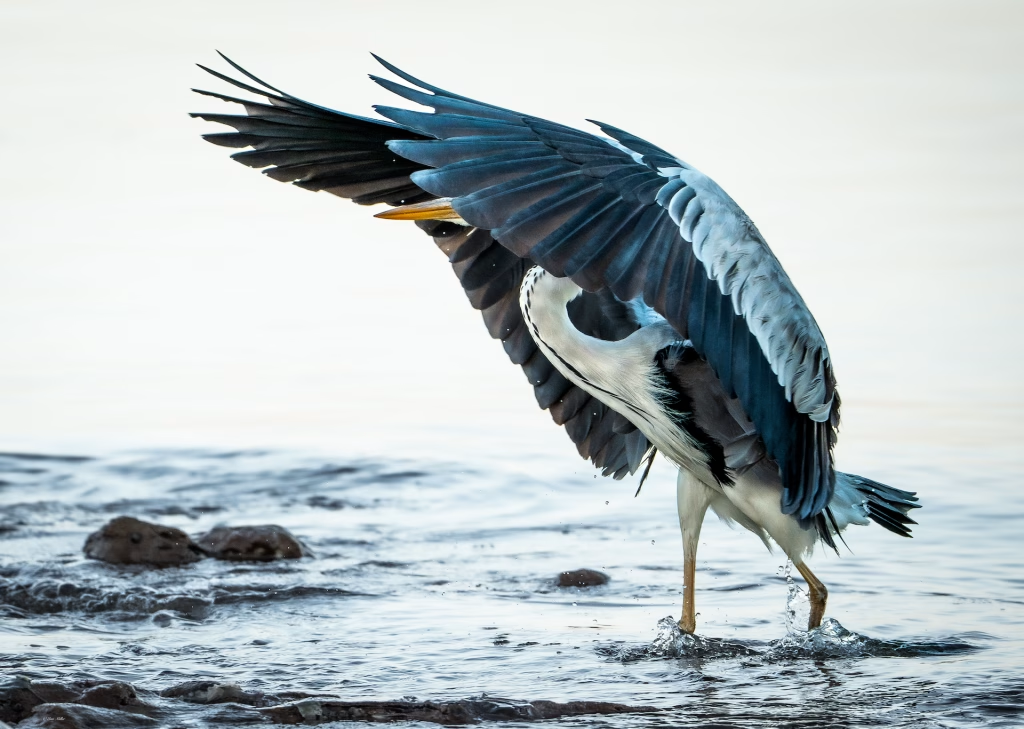
Fine Art Prints of this photograph by Ian G Miller are available to order.
Kommetjie’s Heron Park is also so-named for good reason – if you find yourself in the industrial park or the nearby Imhoff Farm, keep an eye out in the sky for a lucky heron sighting flying by!
Little Egret
Egretta garzetta
Habitat – Shallow wetlands, vlei margins and tidal inlets.
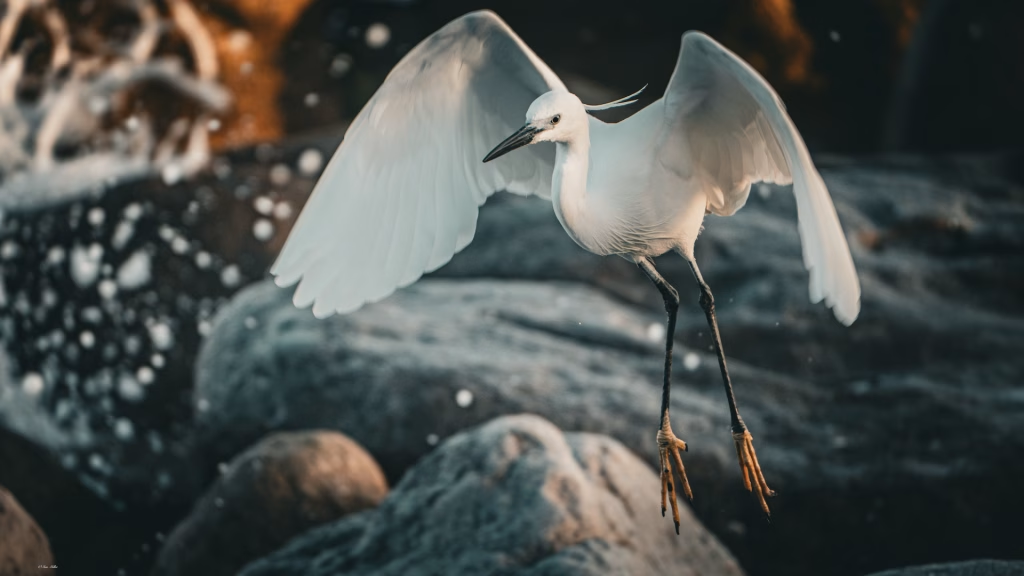
The Little Egret is a smaller, more delicate cousin of the heron, with brilliant white feathers and yellow feet that it uses to stir up prey in the shallows. A familiar sight along the vlei and estuarine areas, it’s often seen pacing the shallows alone, or in loose groups with other waterbirds.
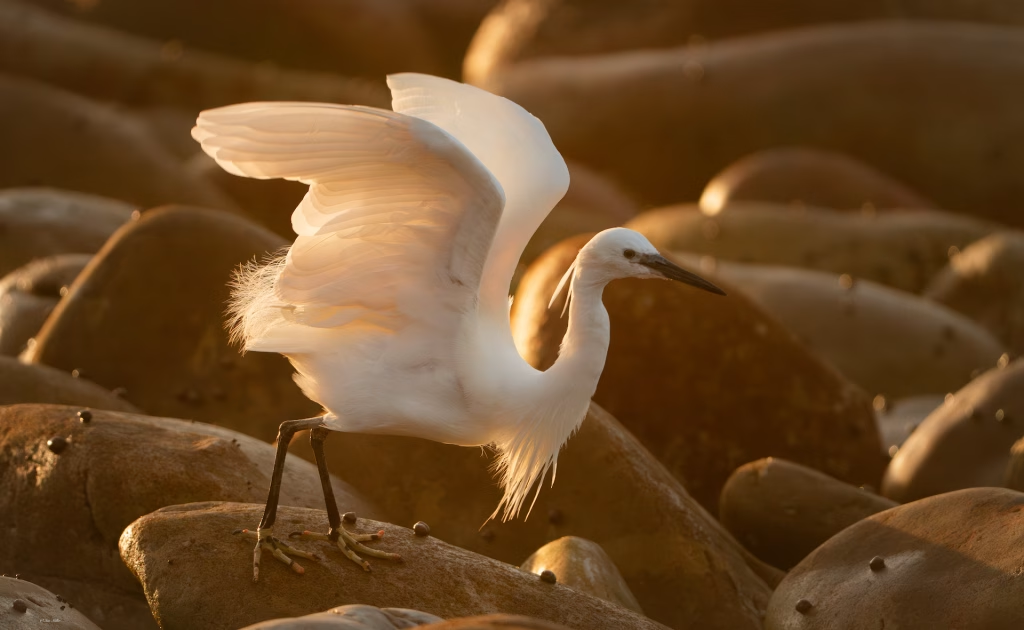
Most often seen in and around the Kom hunting for fish, or taking off in a flurry of white wings.
Sacred Ibis
Threskiornis aethiopicus
Habitat – Vleis, wetlands, farmlands and tidal areas.
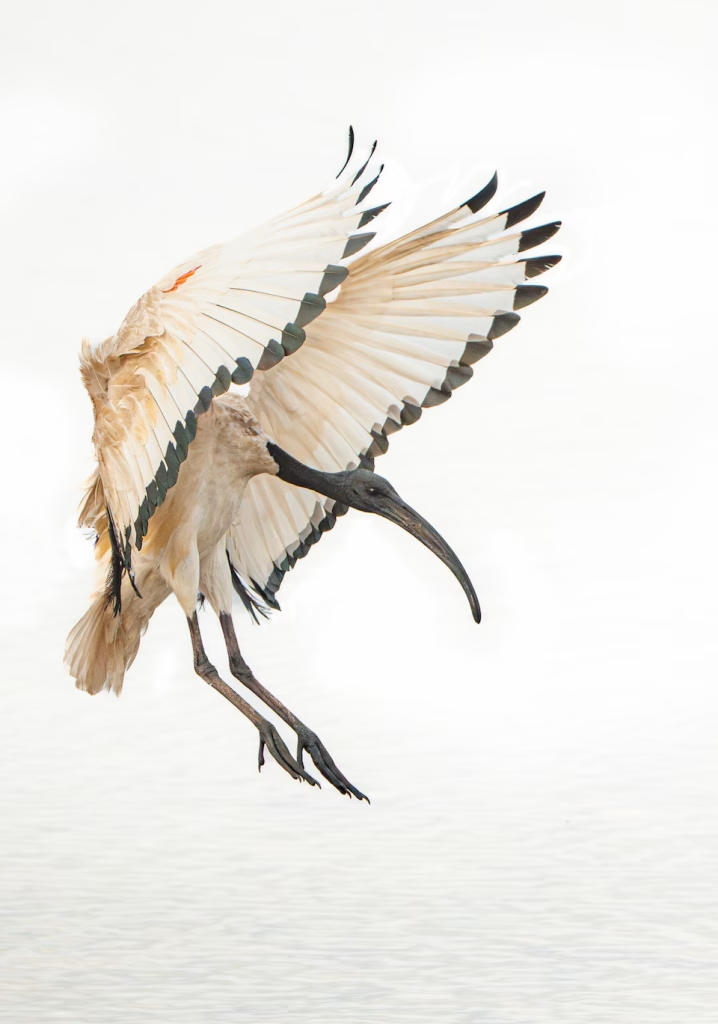
With its stark black-and-white plumage and curved bill, the Sacred Ibis is hard to miss. It was revered in ancient Egypt – and remains a commanding figure in the Cape landscape today. These birds are often found foraging in shallow water or open grass, using their long bills to probe for insects and crustaceans.
Look out for them towards sunset flying overhead in captivating V-formations on their way to roost; as their translucent wings catch the last pink light of day, it’s a truly mesmerising sight.
Urban and Upland Birds
Jackal Buzzard
Buteo rufofuscus
Habitat – Fynbos slopes, farmlands and mountain ridges. Look up from Klein Slangkop, Skilpadvlei or Scarborough’s back roads.
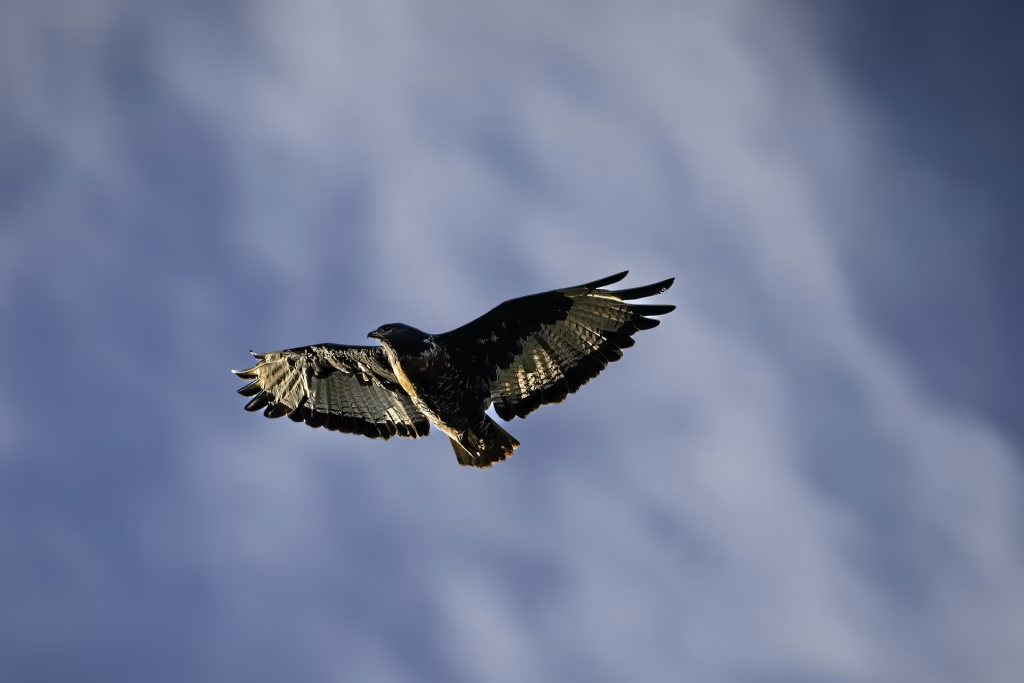
This handsome raptor is usually seen soaring high above the mountainside or perched alone on telephone poles. With rufus chest and dark wings, the Jackal Buzzard is often heard before it’s seen – its cry eerily reminiscent of a jackal’s yelp.
Malachite Sunbird
Nectarinia famosa
Habitat – Fynbos, gardens and flowering coastal scrub, particularly along the slopes above Kommetjie like Klein Slangkop.
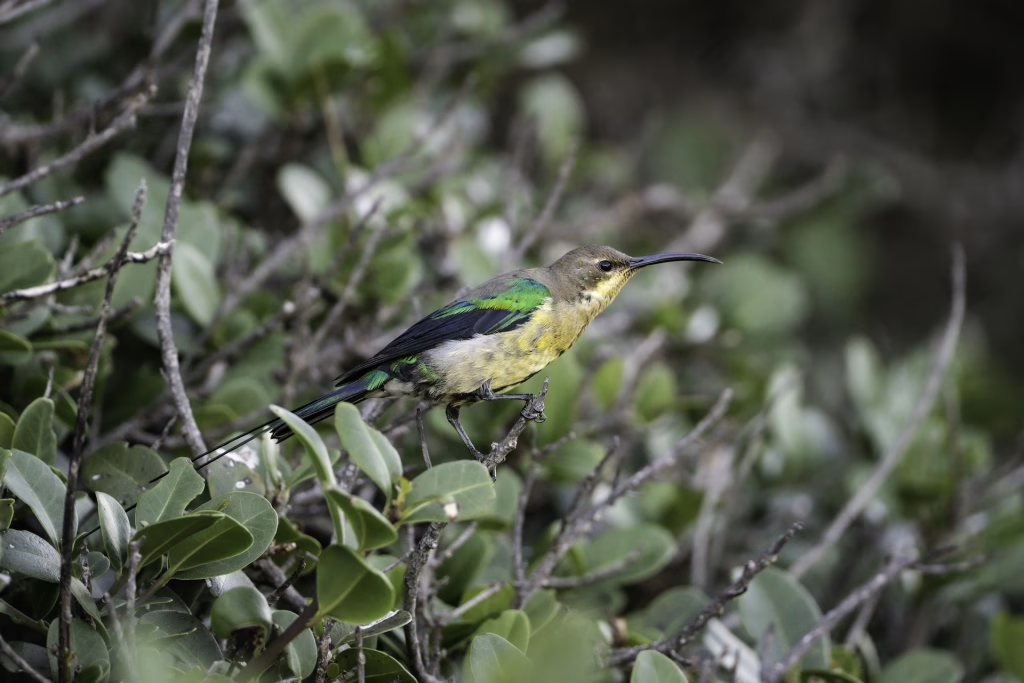
A brilliant jewel of the fynbos, the Malachite Sunbird male in breeding plumage glows metallic green, with tail streamers that shimmer in the sun. These nectar-feeders are common in gardens and natural vegetation, flitting between proteas, aloes, strelitzias and other flowering shrubs like the prevalent honeysuckle. The females are more muted in colour but equally active.
Speckled Pigeon
Columba guinea
Habitat – Urban areas, cliffs, and rocky outcrops. Seen frequently around Kommetjie village.
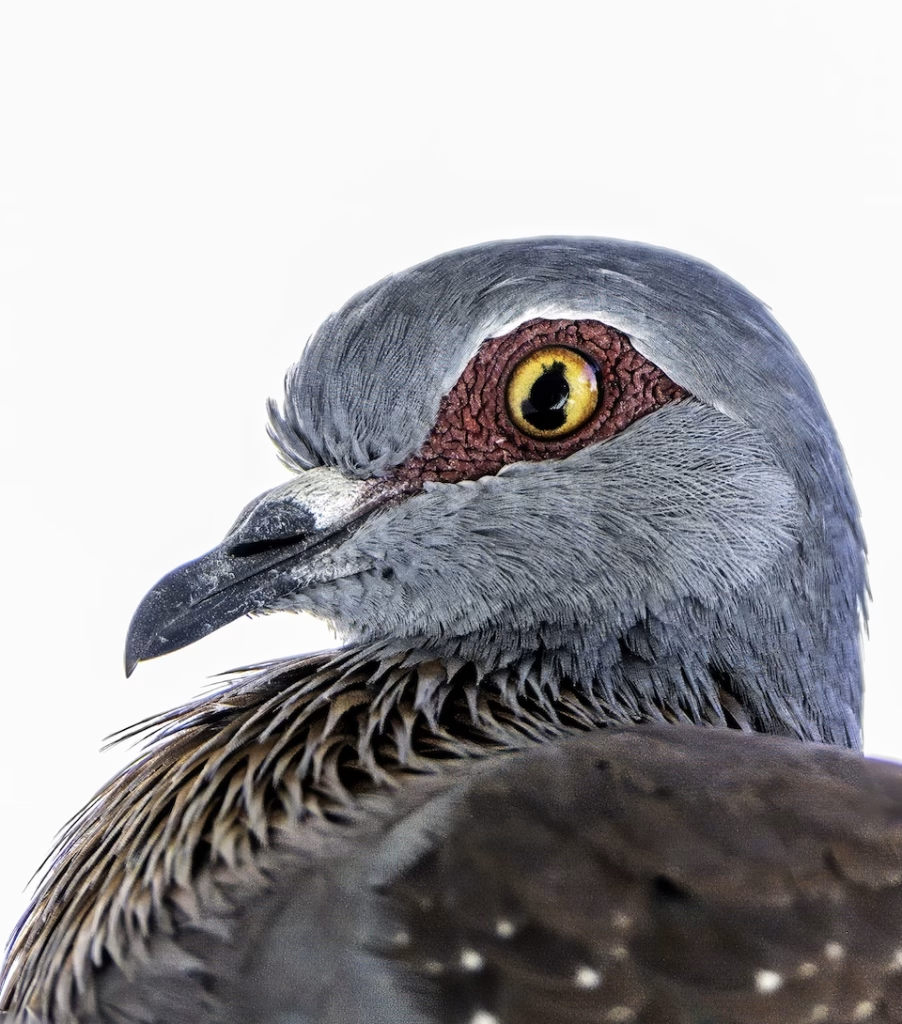
Though sometimes overlooked, the Speckled Pigeon (or African Rock Pigeon) is a subtly beautiful bird with maroon eyes and flecked wings. It often roosts on rooftops and rocky ledges, especially in older buildings or natural stone formations.
Spotted Thick-knee
Burhinus capensis
Habitat – Open ground, grassy verges and quiet suburban plots. Sometimes seen near Klein Slangkop.
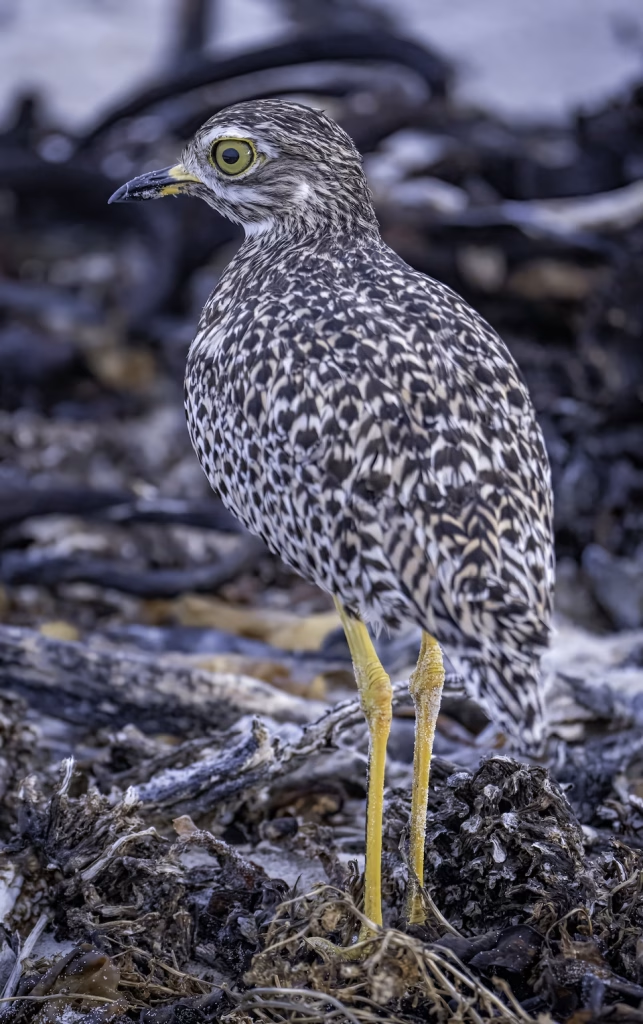
Also called the Spotted Dikkop, this shy, mostly nocturnal bird has large yellow eyes, camouflaged plumage and a statuesque posture. It often freezes when approached, relying on its markings for concealment, blending perfectly into dry grass or sandy areas. Though hard to spot, it’s relatively common in open grassy areas like Skilpadvlei and quiet verges near human habitation.
Marine and Fishing Birds
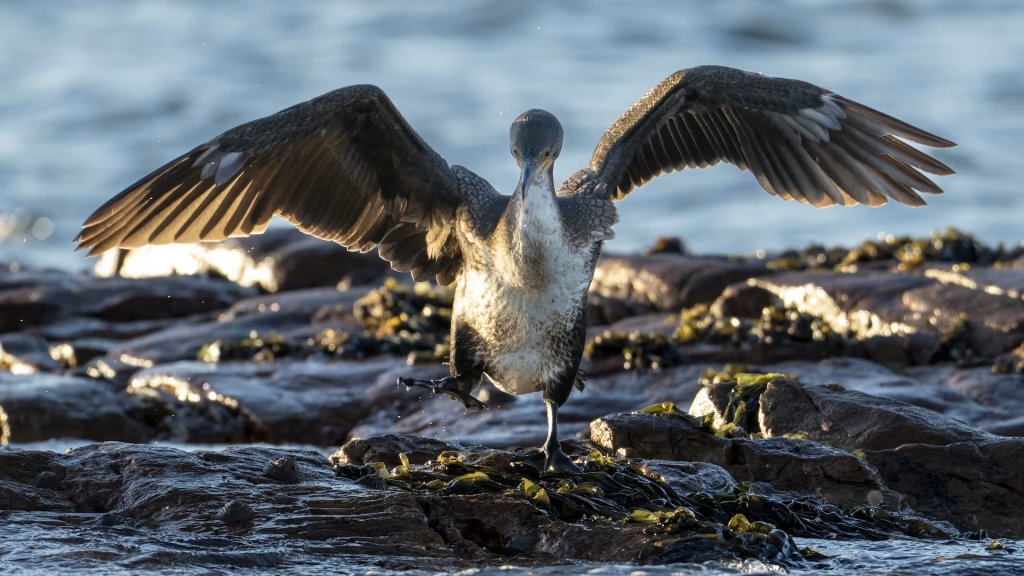
White-breasted Cormorant
Phalacrocorax lucidus
Habitat – Rocky shores, harbours and inshore waters.
Often seen perched on rocks with wings outstretched to dry, the White-breasted Cormorant is a regular on Kommetjie’s coastal stage. Sleek and dark with a contrasting white throat and breast, it’s an expert underwater hunter, diving for fish with great agility. They often roost communally and can be seen bobbing just beyond the waves or standing sentinel along the Kom’s rocky edge.
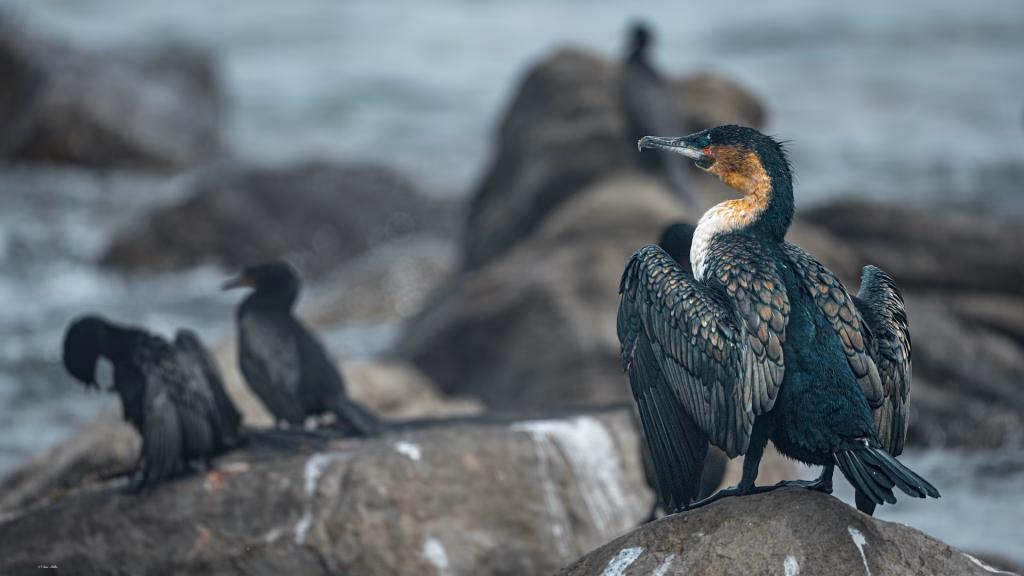
Cape Cormorant
Phalacrocorax capensis
Habitat – Offshore waters, rocky islands and coastal cliffs. Often seen flying in formation past Kommetjie or perched on sea-washed rocks.
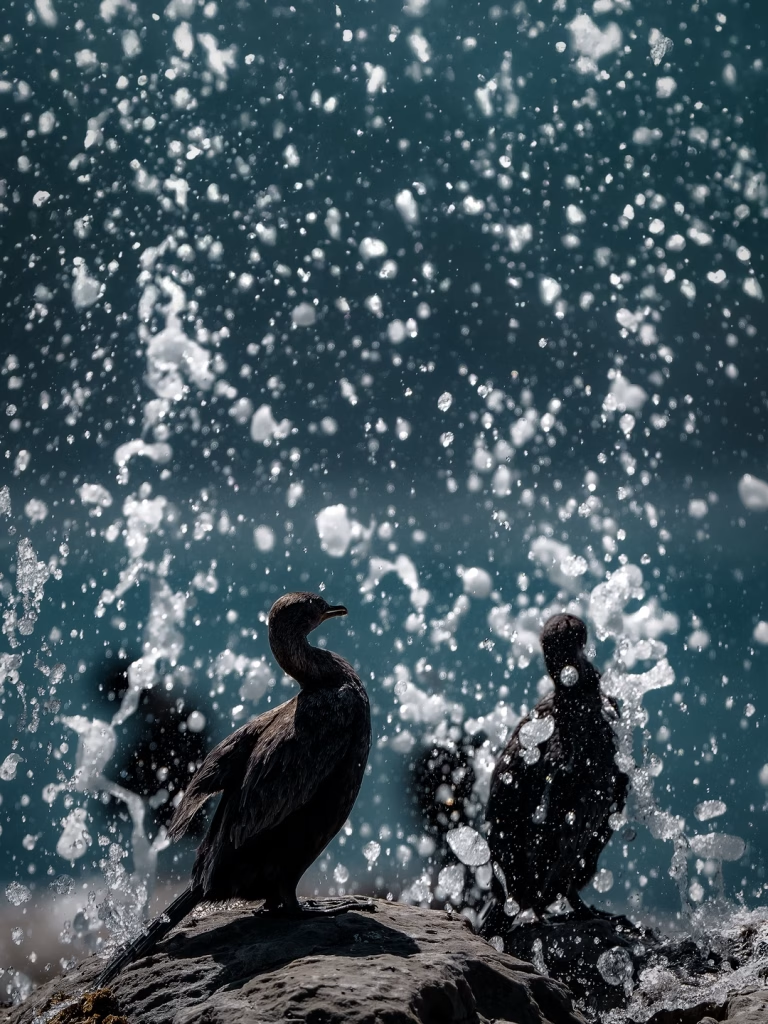
Fine Art Prints of this photograph by Ian G Miller are available to order.
A sleek, dark seabird with a glossy blue-black sheen, the Cape Cormorant is an endemic species that breeds along the southern African coast. They often move in tightly packed flocks over the ocean, diving for fish with remarkable coordination.
Cape Shoveler
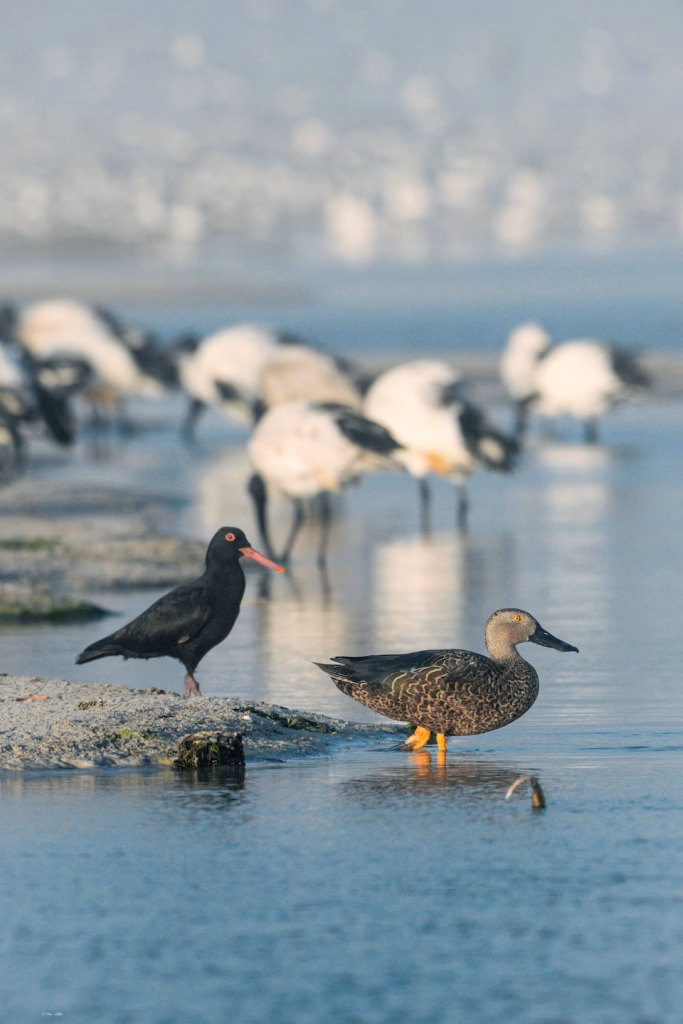
Spotted occasionally in local vleis, the Cape Shoveler is a dabbling duck with a broad, shovel-shaped bill used to filter insects and plant matter from the water. They are often seen in pairs or small groups.
A Shared Habitat
Kommetjie’s birds are part of a greater ecological mosaic – one shaped by the rhythms of wind, tide and season. The fynbos slopes of Klein Slangkop, the tidal wetlands of Wildevoëlvlei, and the vast sky above the icy Atlantic are all interlinked habitats where life thrives.
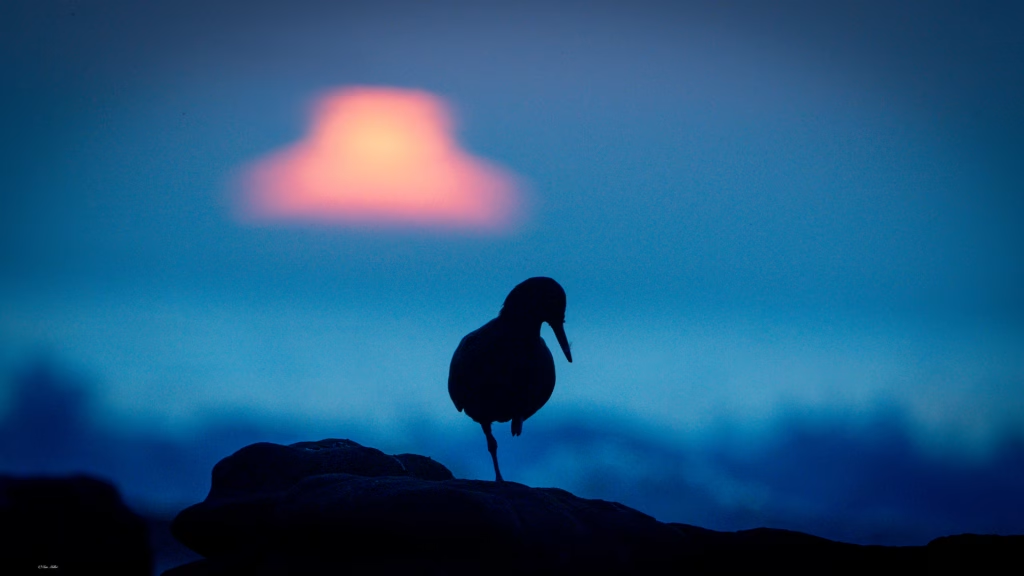
As this natural beauty attracts both residents and visitors alike, it’s vital to protect what we have. Stick to boardwalks and designated paths, keep dogs on leads in sensitive areas, and observe birds from a respectful distance. Their survival, like ours, depends on the health of the shared environment.
For further reading on our local birdlife, visit our birder friends, the Cape Bird Club.
To learn more about Kommetjie’s creatures – including a few you might not expect – read our Snake Safety and Awareness Guide.
Bring the Birds Home
If you’re inspired by the beauty of Kommetjie’s birdlife captured here, fine art prints of a selection of these photographs by Ian G Miller are available to order. Visit our online shop to bring a piece of the Cape Peninsula into your home, or view them below.
Fine Art Prints by Ian G. Miller
-
Crimson Beak and Splash – Ian G. Miller fine art photography print
Price range: R1500,00 through R2950,00 -
Grace in Pink – Ian G. Miller fine art photography print
Price range: R1500,00 through R2950,00 -
Grey Majesty – Ian G. Miller fine art photography print
Price range: R1500,00 through R2950,00 -
Shoreline Symmetry – Ian G. Miller fine art photography print
Price range: R1500,00 through R2950,00 -
Tidewatchers – Ian G. Miller fine art photography print
Price range: R1500,00 through R2950,00 -
Where Ocean Meets Air – Ian G. Miller fine art photography print
Price range: R1500,00 through R2950,00